
** What Is Iran Doing? A Hard‑Hit Look at Tehran’s War Strategy **
Listen to this article 1× ** Iran is launching coordinated missile, drone, and proxy attacks while simultaneously bargaining for a cease‑fire to keep the…

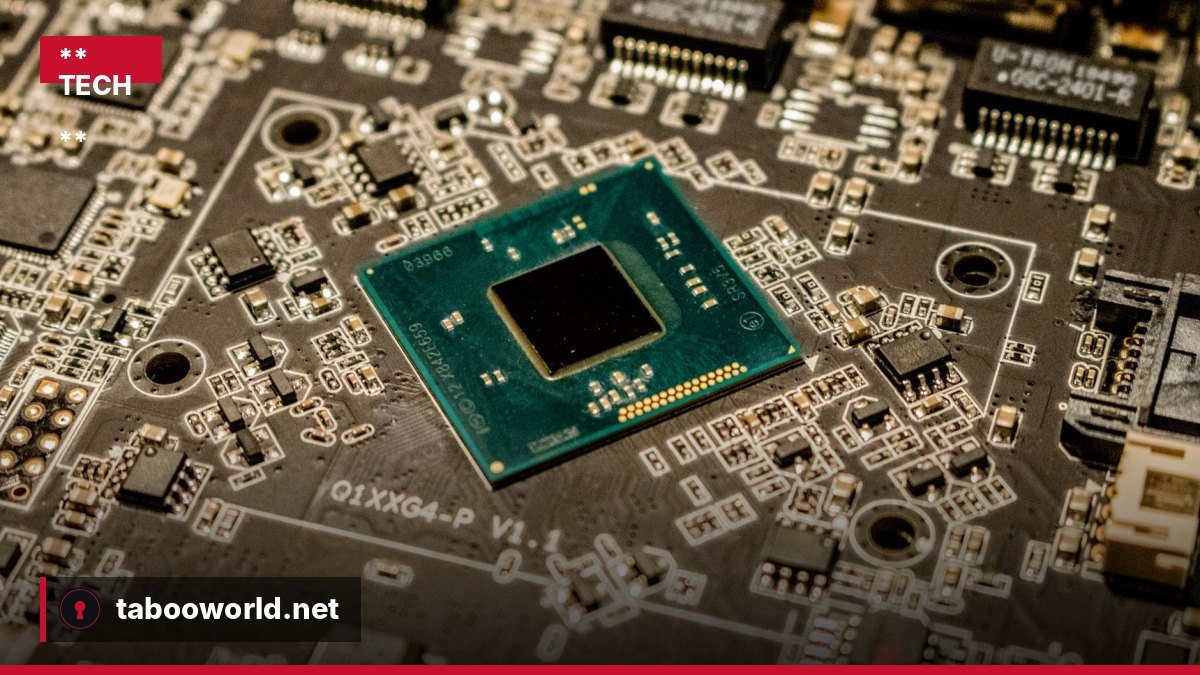
Jensen Huang scandal fallout began with the former Nvidia CEO’s admission of an extramarital affair on November 8, 2026, and quickly escalated into federal investigations, shareholder lawsuits and a roughly 20 percent plunge in the company’s stock.
The fallout started when Reuters reported that Huang had an affair with Alice Huang, a former Megaspeed executive later identified by U.S. intelligence as a Chinese spy. The New York Times had earlier linked Megaspeed to illicit AI‑chip transfers to Beijing. Huang’s November 8 confession confirmed the personal misconduct, and the alleged national‑security dimension amplified the crisis.
Within days of the admission, Nvidia’s board announced an independent committee to review all relevant information and hired the law firm Wachtell, Lipton, Rosen & Katz for counsel. The board says it “has no reason to believe” U.S. national‑security interests were compromised, but the committee’s mandate includes assessing whether the company’s disclosures about Megaspeed were “misleading or false.”
Federal prosecutors have opened an FBI probe, though no criminal charges have been filed. The Economic Espionage Act of 1996 could apply if Huang knowingly concealed Alice Huang’s intelligence ties. At the same time, a proposed securities‑fraud class action alleges that Nvidia and Huang misled investors between Oct. 9 and Nov. 8, 2026, inflating the stock price by up to 20 percent.
| Event | Date | Potential Impact |
|---|---|---|
| Huang’s affair admission | Nov 8 2026 | Stock down ~20 % |
| Board‑ordered review | Nov 12 2026 | Possible restatement of earnings |
| Class‑action filing | Nov 15 2026 | Estimated $1 trillion market loss |
| Congressional document request | Dec 1 2026 | Increased regulatory scrutiny |
U.S. Treasury Secretary Scott Bessent confirmed that the Department of Commerce, led by Secretary Howard Lutnick, resisted adding Megaspeed to the Entity List despite pressure from the Pentagon and the State Department. “Any leakage is very frustrating because it hurts our great companies in the AI race, gives the Chinese an advantage,” Bessent said, highlighting the tension between commercial interests and security policy.
Nvidia dominates the AI‑chip market, supplying the hardware that powers most large‑language models. A loss of confidence could accelerate diversification away from Nvidia’s GPUs, benefitting rivals such as AMD and Intel. The SEC may also revisit Nvidia’s 2022 disclosure failures, settled for $5.5 million, to determine whether similar lapses occurred under the current scandal.
Democratic Senators Chris Coons and Elizabeth Warren have urged the White House to preserve all documents related to the affair, the $25 million Trump‑era donation from Nvidia, and the alleged export exemptions granted by former President Donald Trump. Republican senators, including Kevin Cramer, have warned that “every chip Donald Trump allows Nvidia to sell to Chinese competitors is one more boost to Beijing.” The bipartisan pressure suggests a likely expansion of congressional hearings in early 2027.
As of November 14, 2026, no criminal charges have been filed; the FBI investigation remains ongoing.
Analysts estimate Nvidia’s market value fell by about 20 percent, roughly $1 trillion, during the class‑action period.
Shareholders have filed a derivative suit claiming the board breached fiduciary duties by failing to act on warning signs about Huang’s relationship.
No. Treasury officials reported resistance to blacklisting the Singapore‑based firm despite congressional pressure.
The 1996 law criminalizes the willful transfer of trade secrets to foreign governments, potentially applicable if Huang knowingly concealed espionage ties.
Sources: Fox Business – The Globe and Mail – WGXAUpdated: November 14, 2026.
Listen to this article 1× ** Iran is launching coordinated missile, drone, and proxy attacks while simultaneously bargaining for a cease‑fire to keep the…
Listen to this article 1× Gulf Cooperation Council Secretary‑General Jassem Mohamed Albudaiwi on 13 November 2026 praised UN Security Council Resolution 2837, which demands…
Listen to this article 1× The relationship between Gwyneth Paltrow and Harvey Weinstein is widely described as “complicated,” marked by allegations of sexual harassment…