Former Qatar PM Trump Adviser Dispute Escalates Amid Payment Allegations
Listen to this article 1× Former Qatar PM trump adviser dispute has erupted into a public legal showdown after a former business partner accused…
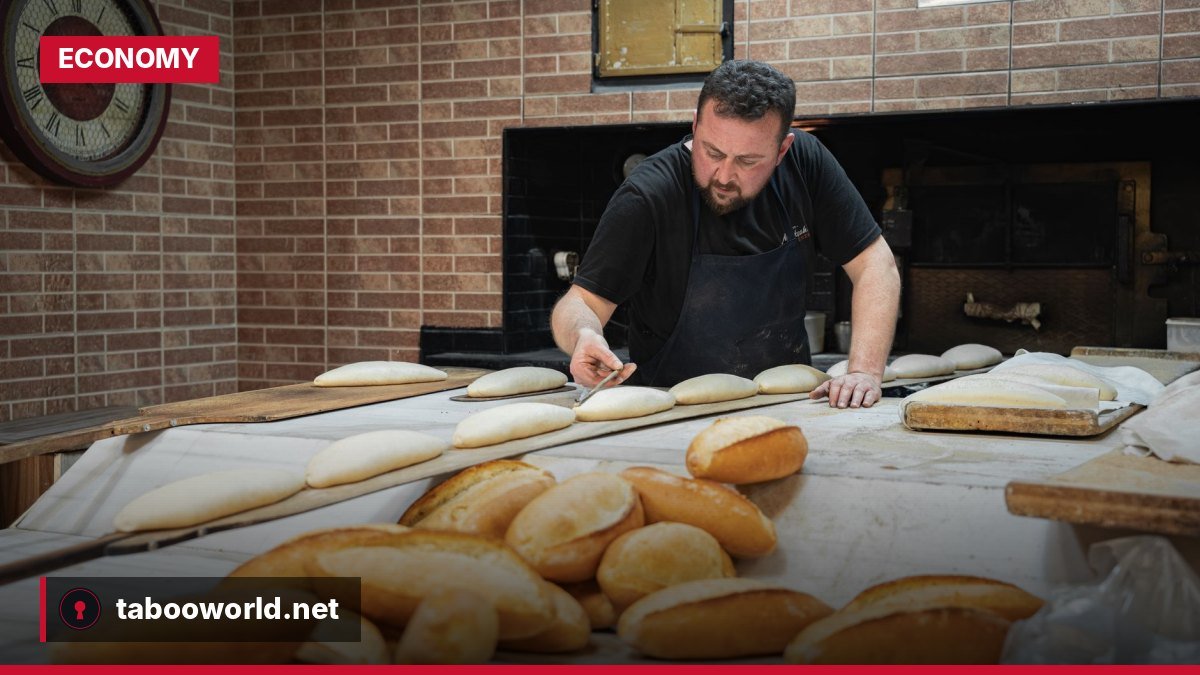
The Iran cost of bread rose sharply in 2025, with loaves in Tehran reaching about $0.35 after a government‑driven price surge.
The latest data from local price trackers list a 500 g white loaf at $0.55 (≈ 15,000 rials) in Tehran, while smaller towns sell the same size for $0.30-$0.40. AverageCostOfLiving records the median price at $0.55, with a low‑high range of $0.30-$1.00.
On June 2 2025, IranWire documented that bread prices across the country doubled in just three months. The surge followed a government decision to transfer pricing authority from the Ministry of Economic Affairs to regional bakeries, effectively ending the long‑standing national price ceiling.
Iran News Update confirmed the same trend, attributing it to subsidy reductions, regional pricing powers, and broader economic strain.
Urban centers like Tehran face higher labor wages, transportation costs, and energy bills. AmyCooksEats notes that a Tehran loaf costs roughly 15,000 rials ($0.35), whereas smaller cities may sell for as low as 10,000 rials ($0.23). The disparity reflects:
Historically, Iran kept bread affordable through direct cash payments to bakeries and subsidized wheat purchases. Since 2023, those subsidies have been trimmed, shifting more cost onto producers and. In the end, consumers. The reduction has been especially painful for low‑income households, who rely on bread as a dietary staple.
Brevl reports a 2024 export average of $1,261 per ton for Iranian bread and bakery products. Converting that to a per‑loaf basis (≈ 2 kg per loaf) yields roughly $2.52 per loaf for export contracts, far higher than domestic retail prices. The export number serves as a benchmark for bulk buyers, not a guide for Iranian consumers.
| Location | Average Price (USD) | Rial Equivalent |
|---|---|---|
| Tehran (urban) | $0.35 | ≈ 15,000 rials |
| Smaller city | $0.23 | ≈ 10,000 rials |
| Export average (2024) | $2.52 |
Three main cost components determine the final loaf price:
When any of these elements rise, especially after subsidy cuts, bakeries pass the increase to consumers.
Iran’s inflation rate has hovered above 30 % since 2022. Rising prices for wheat, fuel, and electricity have all fed into higher bakery costs. The rial’s depreciation against the dollar further inflates imported inputs, such as packaging materials, adding another layer to the price ladder.
Iranian shoppers adapt by:
Around 15,000 rials, equivalent to roughly $0.35 as of 2025.
The government transferred pricing authority to regional bakeries and cut subsidies, prompting a rapid price surge.
No. Urban areas like Tehran pay more due to higher labor and energy costs; smaller towns can see prices as low as $0.23 per loaf.
Subsidies lower wheat and bakery costs; their reduction forces producers to raise retail prices.
Export prices ($1,261 per ton in 2024) are far higher than domestic retail rates and reflect bulk contracts, not consumer costs.
Sources: AverageCostOfLiving – Brevl – AmyCooksEatsUpdated: November 14, 2026.
Listen to this article 1× Former Qatar PM trump adviser dispute has erupted into a public legal showdown after a former business partner accused…
Listen to this article 1× Comparing the UK vs BAN requires examining the United Kingdom’s distinct legal framework against the backdrop of various global…
Listen to this article 1× Donald Trump has said the United States is “looking into” an alleged Iranian plan to detonate a dirty bomb…