How Many Houthis Have Been Killed? A Critical Examination
Listen to this article 1× How many Houthis have been killed is a question that remains clouded by contradictory reports and limited verification. Key…

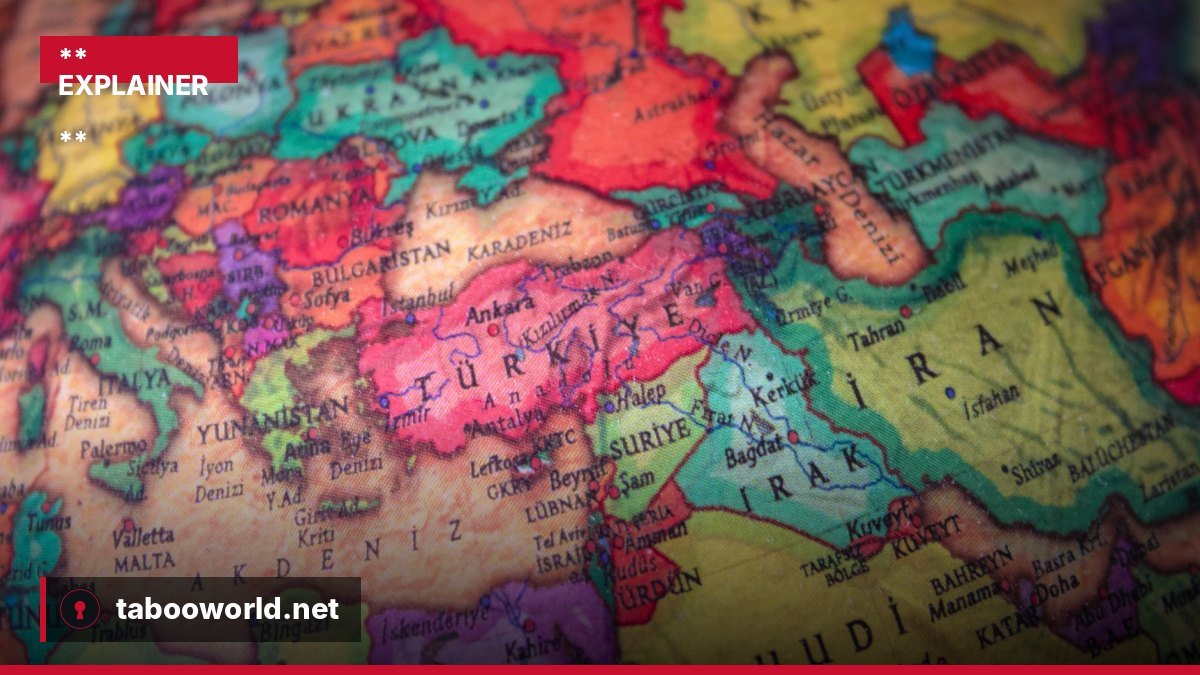
The Iran Saudi Arabia conflict 2026 began on 28 February 2026 when U.S. and Israeli strikes on Iranian sites triggered a cascade of Iranian missile and drone attacks on Saudi territory.
The conflict erupted after coordinated U.S. and Israeli air strikes on Iranian nuclear facilities on 28 February 2026. Iran’s Central Military Command called the attacks an act of aggression and launched retaliatory missile and drone salvos aimed at U.S. and allied interests in the Gulf, including Saudi Arabia.
According to the Wikipedia entry on Saudi Arabia in the 2026 Iran warthe first Iranian strikes damaged the Ras Tanura oil refinery, the United States Embassy in Riyadh and a CIA station, marking the start of a broader regional confrontation.
Saudi Arabia’s Royal Air Force activated its integrated air‑defence network, intercepting at least 10 drones and two cruise missiles, according to Saudi and U.S. reports. The kingdom also launched covert air operations against Iranian‑aligned Houthi positions in Yemen, aiming to blunt the rebel group’s growing maritime threat.
Saudi forces have repeatedly claimed successful shoot‑downs of Houthi drones, a claim documented in the Saudi‑Arabia Intercept Missiles and Drones page.
Three fronts dominate the conflict:
| Side | Military Deaths | Civilian Deaths | Injured |
|---|---|---|---|
| Saudi Arabia | 0 | 3 | 23 |
| United States | 2 | 0 | 29 |
| Iran | Not disclosed | Not disclosed | Not disclosed |
These numbers come from official Saudi statements and U.S. Department of Defense briefings cited in the Wikipedia source.
The Iran‑backed Houthi movement in Yemen has expanded its operational reach, capturing a Red Sea island and threatening the Bab al‑Mandab Strait, a important artery for oil shipments. CNN reported that “the group also claimed missile and drone attacks on ‘sensitive’ sites in Riyadh and an Aramco oil facility in Yanbu” (20 Sept 2026).
U.S. and Gulf officials fear the Houthis could control the strait, creating a maritime choke‑point that would cripple global energy markets. Saudi Arabia’s inability to repel the Houthi advance without U.S. assistance shows Tehran’s influence in the wider war.
The U.S. maintains a forward presence in Saudi Arabia, with troops stationed at the embassy, a CIA outpost and several air bases. After the February strikes, American forces suffered two fatalities and 29 wounded, while two aircraft were destroyed and five damaged.
President Donald Trump, in a September 2026 interview with Fox News, hinted at “very big things” for Iran, suggesting a possible deal, intensified sanctions, or renewed military action. The administration has also warned Iranian allies that any attack on U.S. assets would make them “parties to the conflict,” as stated by Iran’s central military command via Tasnim News Agency.
Repeated strikes on the Ras Tanura refinery, Saudi Arabia’s largest, have disrupted crude processing capacity, contributing to a 5 % rise in regional fuel prices reported in early June 2026. The threat to the Bab al‑Mandab Strait has also spooked shipping insurers, raising freight rates on Red Sea routes by roughly $150 per container.
Despite the fighting, the United Nations General Assembly in September 2026 hosted delegations from Saudi Foreign Minister Prince Faisal bin Farhan and Iranian President Masoud Pezeshkian. Both sides pledged “to seek de‑escalation,” but concrete cease‑fire terms remain absent.
“Consistent with our host country obligations, the core delegation from the Iranian regime will be able to attend UN General Assembly High Level Week,” a State Department spokesperson said.
State Department, CNN
Three scenarios dominate analysts’ forecasts:
Given the entrenched regional rivalries and the strategic importance of oil and maritime routes, a rapid resolution appears unlikely.
The war began on 28 February 2026 after U.S. and Israeli air strikes on Iranian nuclear facilities triggered Iranian retaliation.
Saudi and U.S. sources confirm at least ten drones and two cruise missiles were intercepted during the initial attacks.
Iranian strikes damaged the Ras Tanura oil refinery, the U.S. Embassy in Riyadh and a CIA station, causing three civilian deaths and 23 injuries.
The Houthis receive Iranian arms, training and strategic guidance, making them a proxy force in Tehran’s broader regional campaign.
Disruptions at Ras Tanura and threats to the Bab al‑Mandab Strait have lifted regional fuel prices by about 5 % and increased Red Sea freight costs by $150 per container.
Sources: Wikipedia – Saudi Arabia in the 2026 Iran war – CNN – Iran and Trump exchange fresh warningsUpdated: November 20, 2026.
Listen to this article 1× How many Houthis have been killed is a question that remains clouded by contradictory reports and limited verification. Key…
Listen to this article 1× On November 8 2026, shrapnel from intercepted Houthi missiles struck a Saudi Aramco administrative tower in Riyadh’s King Abdullah…
Listen to this article 1× On November 7 2026, a Saudi‑linked airstrike hit the village of al‑Shariyah near Sanaa, killing 22 people and wounding…