Iran Saudi Arabia Conflict 2026: How the War Escalated and What It Means
Listen to this article 1× The Iran Saudi Arabia conflict 2026 began on 28 February 2026 when U.S. and Israeli strikes on Iranian sites…

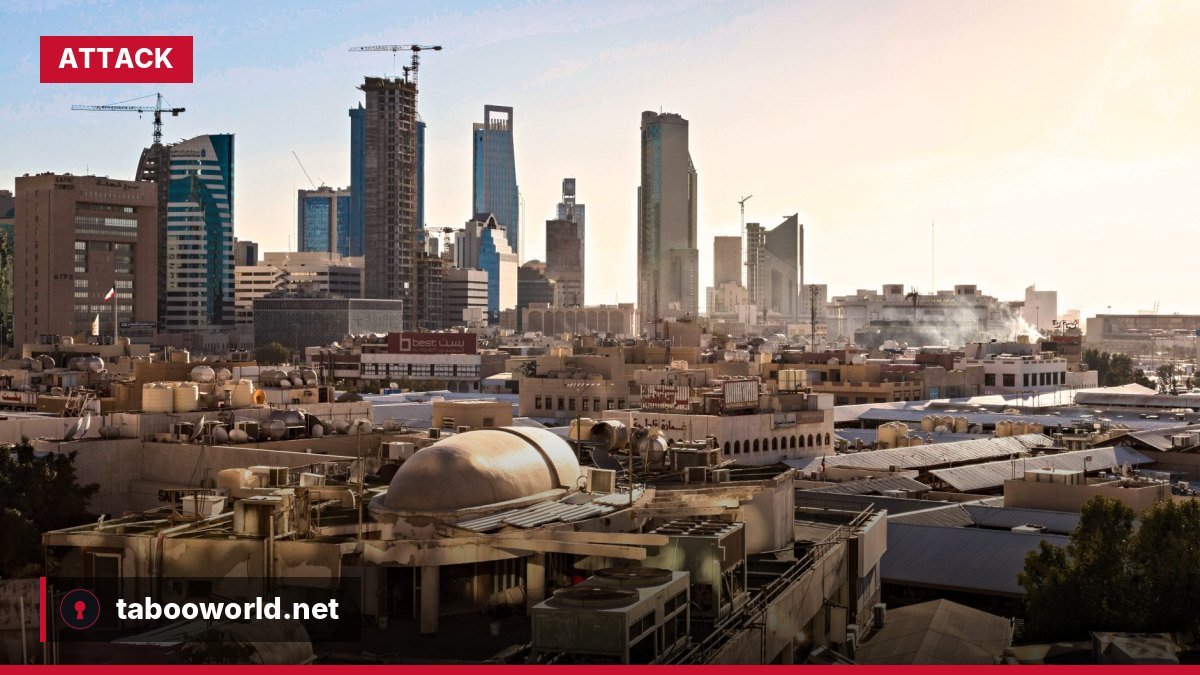
On November 8 2026, shrapnel from intercepted Houthi missiles struck a Saudi Aramco administrative tower in Riyadh’s King Abdullah Financial District, causing limited structural damage but no casualties.
Saudi air defences intercepted two cruise missiles launched from Yemen toward Riyadh, according to the Saudi‑led coalition’s spokesperson Major‑General Turki al‑Malki. Explosions were heard across the capital, and early‑warning alerts were issued by Saudi Civil Defence.
Shrapnel from the intercepted missiles fell on the Aramco tower, shattering windows across several floors and punching a visible hole through the glass façade. Eyewitness videos posted online show the damage extending over multiple stories, confirming the “limited damage” described by the Energy Ministry.
Despite the dramatic visuals, the Ministry reported no injuries or fatalities. The building, an administrative office for Saudi Aramco, is not the company’s headquarters (located in Dhahran) but is a prominent symbol of the kingdom’s diversification drive.
The Aramco tower sits in KAFD, a show of Vision 2030’s ambition to transform Riyadh into a global financial hub. The district houses the sovereign wealth fund Public Investment Fund, the Saudi stock exchange, and offices of firms such as Goldman Sachs. Disrupting this area attacks the economic narrative Saudi Arabia is promoting.
“I see this as an attack on the credibility of Vision 2030 as much as on Aramco itself.”
Andreas Krieg, London‑based risk consultant, MENA Analytica
By striking a high‑visibility target, the Houthis aim to undermine investor confidence and force Riyadh to allocate more resources to defence rather than development.
Since the July 2026 cease‑fire collapse, the Iran‑aligned militia has increased missile and drone launches toward Saudi territory. Recent incidents include:
| Date | Target | Outcome |
|---|---|---|
| 10 Oct 2026 | King Khalid International Airport | 13 dead, 300+ injured |
| 03 Nov 2026 | Eastern Province oil facilities | Limited damage, no casualties |
| 08 Nov 2026 | Aramco tower, KAFD | Glass façade damaged, no casualties |
These attacks coincide with a surge in Saudi‑led airstrikes in Yemen, which the Yemen Data Project recorded as the highest monthly count since 2017 (over 430 strikes in October 2026 alone).
Aramco facilities have long been high‑value targets. The Riyadh tower’s damage, though not crippling, signals that even well‑protected urban sites are vulnerable. The incident forces the kingdom to reconsider security allocations for civilian infrastructure, potentially diverting funds from Vision 2030 projects such as NEOM and the Red Sea tourism corridor.
Also, the attack may affect foreign investment sentiment. Companies operating in KAFD could demand higher insurance premiums or reconsider expansion plans, slowing the diversification timeline.
Saudi officials have emphasized the successful interception of the missiles, portraying the air‑defence system as effective. The Ministry of Energy called the incident an “attempted attack” and highlighted that “no injuries or fatalities were reported, thankfully.”
Simultaneously, the interior ministry has reiterated warnings against filming or sharing images of missile interceptions, a policy aimed at limiting propaganda value for the Houthis.
Internationally, Riyadh continues to press allies for logistical and intelligence support, as noted in the coalition’s statement about destroying two ballistic missile launchers in Saada province, Yemen’s Houthi stronghold.
Yes. Houthi military spokesman Yahya Saree confirmed the attack and said the militia also targeted Riyadh’s banking district.
Saudi officials identified the intercepted weapons as cruise missiles; the coalition later reported them as ballistic missiles launched from Yemen.
The Energy Ministry has not announced specific repairs, but standard protocol calls for structural assessments and glass replacement before normal operations resume.
According to the United Nations, more than 1,600 people have been killed and nearly 300,000 displaced since hostilities resumed in July 2026.
Analysts warn that repeated strikes on high‑profile sites could delay investment and increase security costs, potentially slowing the rollout of Vision 2030 projects.
Sources: Mathrubhumi English – Yahoo News – CNA – Republic WorldUpdated: November 8, 2026.
Listen to this article 1× The Iran Saudi Arabia conflict 2026 began on 28 February 2026 when U.S. and Israeli strikes on Iranian sites…
Listen to this article 1× How many Houthis have been killed is a question that remains clouded by contradictory reports and limited verification. Key…
Listen to this article 1× On November 7 2026, a Saudi‑linked airstrike hit the village of al‑Shariyah near Sanaa, killing 22 people and wounding…