
** What Is Iran Doing? A Hard‑Hit Look at Tehran’s War Strategy **
Listen to this article 1× ** Iran is launching coordinated missile, drone, and proxy attacks while simultaneously bargaining for a cease‑fire to keep the…
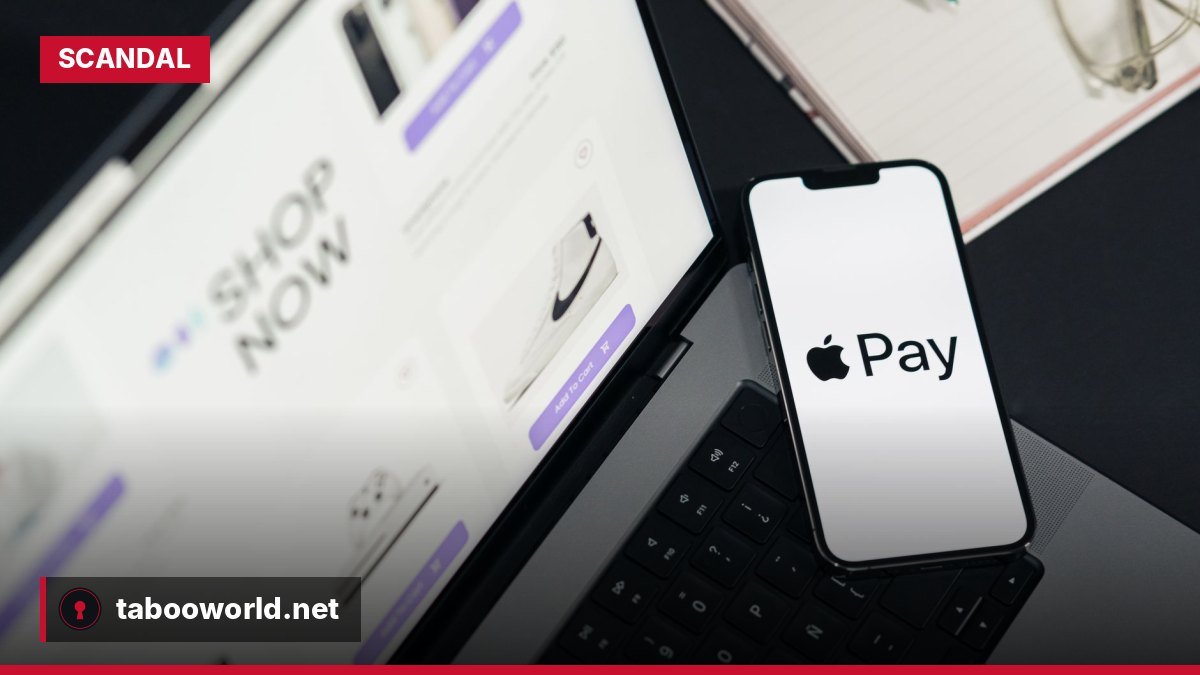
Apple services subscription scandal involves Apple Store staff enrolling customers in auto‑renewing trials without clear consent, driven by a 40 % “services attach rate” target.
The scandal centers on Apple Store staff using the Connect & Personalize system to activate free‑trial subscriptions on customers’ accounts, then pressing “Accept” on the employee’s device instead of the customer’s. This bypasses informed consent and leads to unwanted recurring charges once the trial ends. For more insight into how similar deceptive practices can affect unsuspecting winners, see the NC lottery scandal detailed in the article NC lottery scandal.
Apple tracked a performance metric called “services attach rate,” which measured the percentage of device purchasers who also signed up for a subscription. Sources report a target of 40 % per employee, meaning four out of ten customers were expected to enroll in a service.
| Metric | Target | Potential Impact |
|---|---|---|
| Services attach rate | 40 % | Pressuring staff to auto‑enroll trials |
| Incentive | Possible $100 gift card | Boosting short‑term revenue |
Employees who missed the target faced unclear consequences, while those who met it could receive bonuses or promotions, according to Macworld.
Customers reported unauthorized activations of Apple One, Apple Music, Apple Fitness+, Apple TV+, Apple Arcade, Apple News+, and Apple Creator Studio. One case showed a $12.99 monthly charge for Creator Studio appearing just 13 seconds after a Mac Mini purchase receipt.
Apple has not issued a public comment, but internal actions include:
Apple claims the metric’s suspension is seasonal, not a permanent policy change.
Auto‑renewing subscriptions can quickly add $20‑$30 per month to a bill, often unnoticed until the charge appears. Without clear disclosure, customers may feel trapped or forced to cancel, eroding trust in Apple’s retail experience.
Apple’s pivot to services generated $30 billion in quarterly revenue (Macworld). However, the scandal highlights a conflict: hardware sales are a one‑time transaction, while services rely on recurring billing that benefits from opaque enrollment practices.
Multiple whistleblower accounts and video evidence show employees using their own devices to confirm trials, bypassing customer interaction.
Apple halted the metric in November 2026, but the company has not confirmed whether it will be reinstated after the holiday season.
Apple’s support pages allow users to request refunds for accidental enrollments, but the process can be time‑consuming and may not cover all charges.
Consumers could pursue claims under consumer‑protection laws for deceptive practices, though no class‑action lawsuit has been filed as of this writing.
Ask the employee to let the customer press “Accept,” review the device setup screen carefully, and cancel any trial within the free‑trial window.
Sources: Macworld – 9to5Mac – Notebookcheck – AppleInsiderUpdated: November 10, 2026.
Listen to this article 1× ** Iran is launching coordinated missile, drone, and proxy attacks while simultaneously bargaining for a cease‑fire to keep the…
Listen to this article 1× Jensen Huang scandal fallout began with the former Nvidia CEO’s admission of an extramarital affair on November 8, 2026,…
Listen to this article 1× Gulf Cooperation Council Secretary‑General Jassem Mohamed Albudaiwi on 13 November 2026 praised UN Security Council Resolution 2837, which demands…