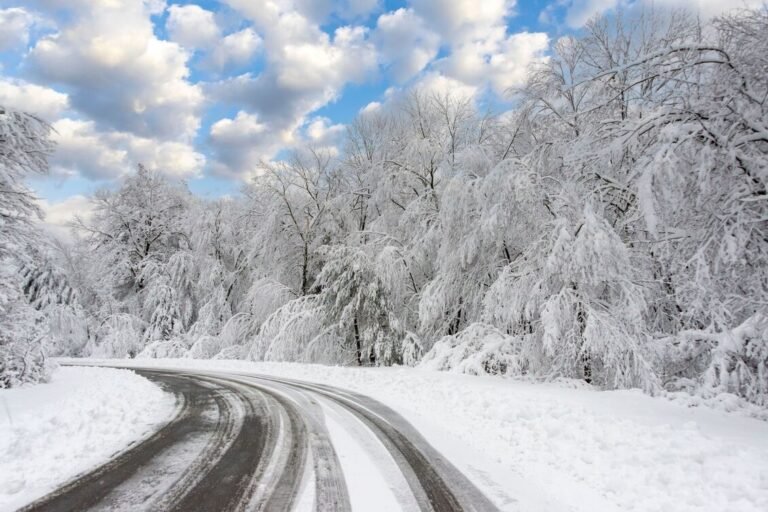
Winter Weather Advisory: What It Means and What to Do
Listen to this article 1× Your phone buzzes with an alert. “Winter weather advisory.” You glance at it, wonder if it’s a big deal,…
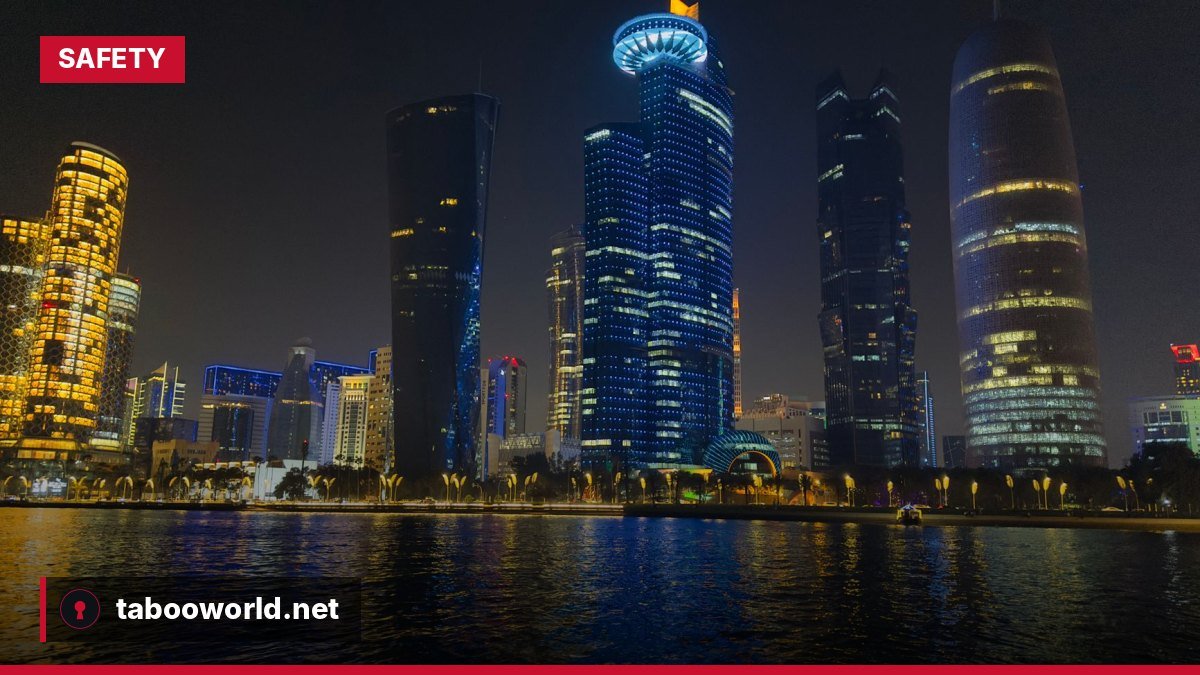
Qatar is the safest gulf country in 2026, scoring 33 out of 100 on the Travel Risk Calculator and ranking ahead of the UAE and Oman.
Three factors give Qatar its edge: a tightly regulated legal system, pervasive surveillance, and a wealth‑driven public‑service model.
First, the government imposes harsh penalties for street crime, drug offenses and public disorder. The Travel Risk Calculator credits this framework with driving opportunistic theft and assault to near‑zero levels 【Source 2】.
Second, the state pours money into city‑wide CCTV networks and rapid‑response policing. Doha alone hosts more than 3,000 cameras per square kilometre, allowing officers to intervene within minutes 【Source 4】.
Third, per‑capita GDP tops $60,000, funding generous health, education and welfare programs. World‑class hospitals in Doha and Al Rayyan offer 24‑hour emergency care, a important asset when summer heat threatens dehydration or heatstroke 【Source 2】.
The table below shows the latest Travel Risk Calculator scores for the four major Gulf monarchies.
| Country | Risk Score (0 = Safer) | Crime Level | Health Infrastructure Rank |
|---|---|---|---|
| Qatar | 33 | Very Low | 4 / 4 (top) |
| United Arab Emirates | 37 | Low | 3 / 4 |
| Oman | 45 | Low‑Moderate | 2 / 4 |
| Saudi Arabia | 52 | Moderate | 1 / 4 |
Qatar’s lower score reflects fewer violent incidents and a more proactive policing model than its neighbours.
Even as the safest Gulf nation, visitors must respect local customs and legal limits. Dress codes are enforced in public, public intoxication is banned, and photography near government sites is prohibited 【Source 2】.
Heat remains a hazard. Summer temperatures often exceed 45 °C, making daytime outings risky. Travel between October and April cuts heat‑related emergencies by 40 % 【Source 2】.
Drug possession carries severe penalties, five years to life imprisonment. Even trace amounts can trigger a criminal investigation 【Source 2】.
Long‑term safety depends on political stability and economic diversification. Qatar’s 2022‑2026 National Vision 2030 aims to reduce oil dependence, boost renewable energy and expand education. If successful, low crime rates and continued upgrades to health and security infrastructure should endure 【Source 4】.
Regional geopolitics can shift quickly. The Travel Risk Calculator warns that “regional geopolitical flare‑ups can change conditions rapidly” and advises travelers to monitor live advisories 【Source 2】.
Qatar ranks among the safest Gulf states for solo women; low violent‑crime rates and a visible police presence keep public spaces secure, though cultural dress codes must be observed.
Yes. Health services are world‑class, but insurance covering heat‑related illnesses and emergency evacuation is advisable.
Alcohol is allowed only in licensed hotels, bars and private clubs; public consumption is illegal and can result in fines or detention.
Military zones and certain border regions are restricted; signage and checkpoints clearly mark prohibited areas.
With violent crime under 0.5 per 10,000 inhabitants, Qatar’s rate is far below the global average of 6.2 per 10,000 inhabitants.
Sources: Travel Risk Calculator – Dubai Visits VisaUpdated: November 17, 2026.
Listen to this article 1× Your phone buzzes with an alert. “Winter weather advisory.” You glance at it, wonder if it’s a big deal,…