




Your phone buzzes with an alert. “Winter weather advisory.” You glance at it, wonder if it’s a big deal, and go back to what you were doing. Fair enough. The wording sounds serious, but it isn’t the same as a storm warning. Here’s what it actually tells you and how to deal with it. What […]
Your phone buzzes with an alert. “Winter weather advisory.” You glance at it, wonder if it’s a big deal, and go back to what you were doing. Fair enough. The wording sounds serious, but it isn’t the same as a storm warning. Here’s what it actually tells you and how to deal with it.
What Does a Winter Weather Advisory Mean?
The National Weather Service issues a winter weather advisory when snow, sleet, freezing rain, or some mix of them is likely to make getting around harder than usual. Think slick roads, poor visibility, and icy patches on steps and sidewalks. It’s a nuisance with real risk attached, but the NWS doesn’t expect it to be life-threatening if people use common sense.
That last part matters. Most trouble during an advisory happens because people drive as if it’s an ordinary Tuesday.
The exact thresholds also depend on where you live. An inch or two of snow can trigger an advisory in the South, where roads and drivers aren’t used to it. In upstate New York or Minnesota, it usually takes a lot more. So if your advisory looks different from a friend’s in another state, that’s normal.
What Winter Weather Usually Looks Like
Temperature
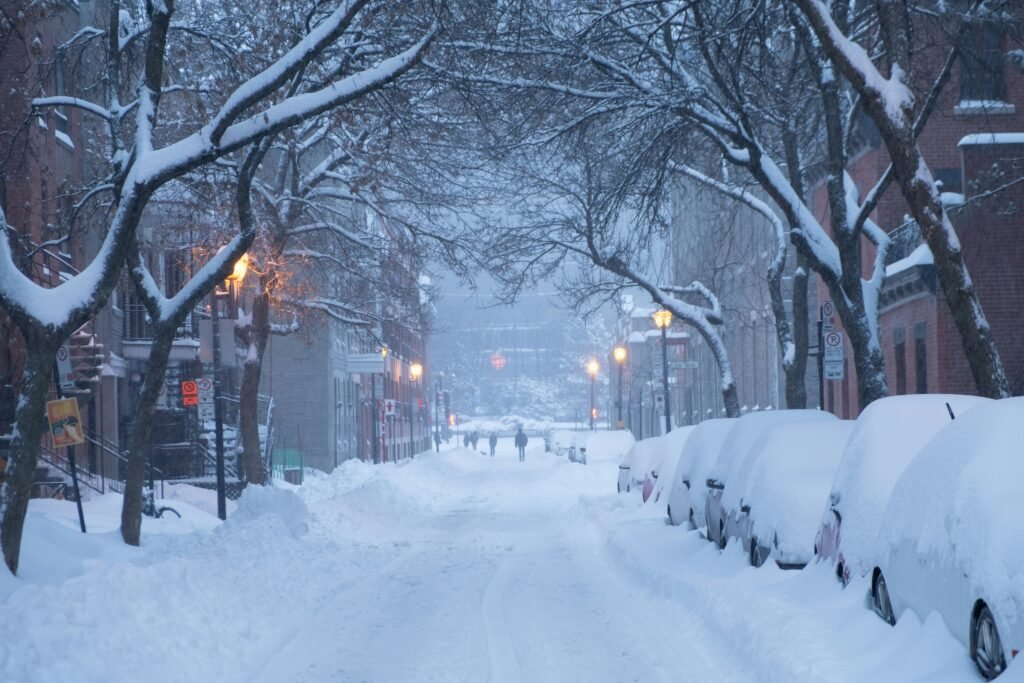
In many colder areas, winter temperatures usually move between about -3°C and 7°C (26°F to 45°F). January and February tend to be the coldest months. When a polar vortex pushes freezing Arctic air south, temperatures can drop to -10°C (14°F) or even lower, and that’s often when advisories start piling up.
Snow and ice
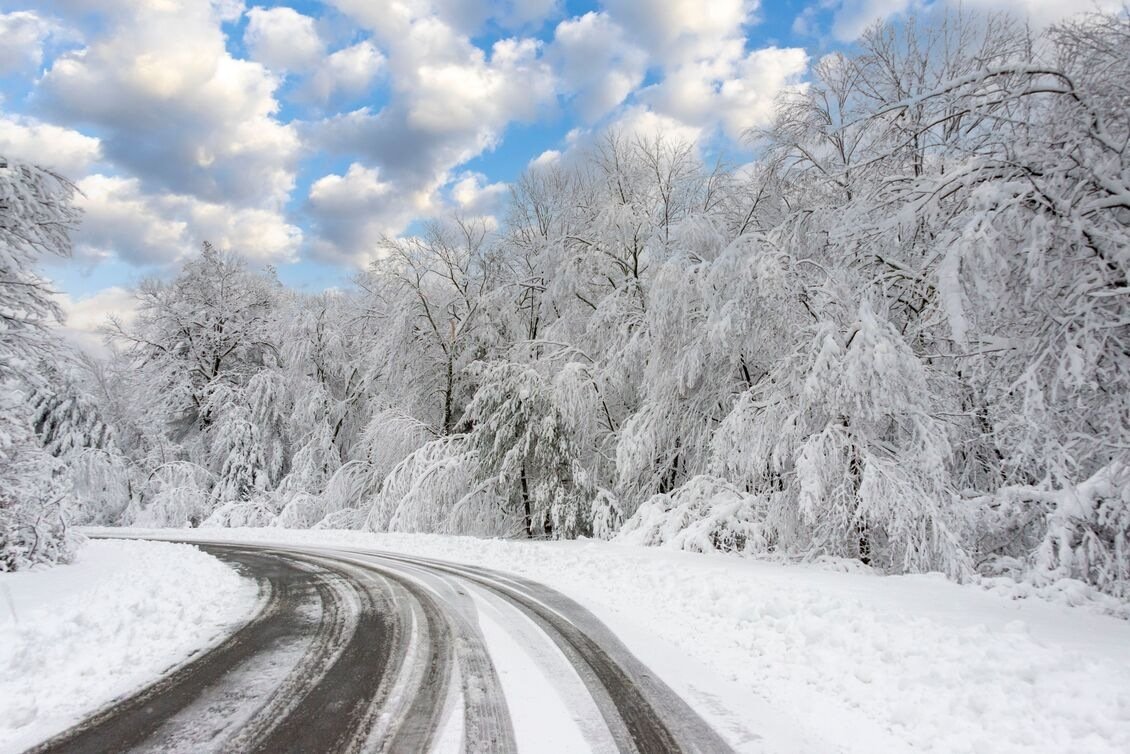
Winter usually brings more than one round of moderate to heavy snow. Sometimes the snow mixes with sleet or freezing rain, which coats roads and sidewalks in a thin layer of ice. That’s the dangerous part, because ice is hard to spot and makes everything slippery, even a short walk to the mailbox.
Winter Weather Advisory vs. Watch vs. Warning
People mix these up constantly, so here’s the quick version.
- Winter Storm Watch: Dangerous conditions are possible in the next day or two, but nothing is certain yet. Treat it as a heads-up and start getting ready.
- Winter Weather Advisory: Bad weather is coming or already here, and it will be inconvenient and potentially hazardous. Take it seriously, but it’s a step below the top level.
- Winter Storm Warning: Heavy snow, ice, or both are happening or about to. This is the one where you stay home if you possibly can.
If you’re seeing a “winter storm warning” in the news instead, that’s a notch higher than an advisory. The title at the top of your alert tells you which one you’re under.
How to Check for a Winter Weather Advisory Near You
Searching “winter weather advisory near me” can throw up a messy mix of results. The simplest fix is to go straight to the source.
- Open weather.gov and enter your zip code or city.
- Look for the colored banner near the top of the page. Active advisories appear there with start and end times.
- Make sure emergency alerts are switched on in your phone settings.
- Check your local news station’s app or website for plain-language updates.
Look at the end time on your alert. Advisories get extended often, and the worst of it sometimes lands during the morning or evening commute rather than when the snow first starts.
Safety Tips During a Winter Weather Advisory
You don’t need to panic, but a few habits go a long way.
If you have to drive:
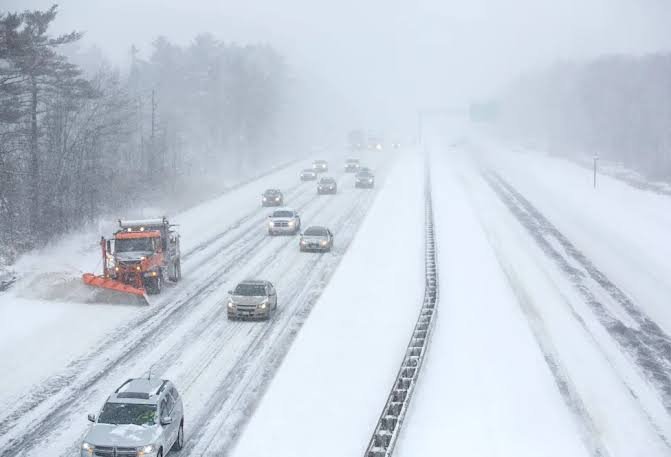
- Go slower than feels necessary and leave extra space between you and the car ahead.
- Brake gently. Sudden stops are how most people end up sliding.
- Keep your gas tank at least half full, since delays can stretch on.
- Clear all the snow off your car, roof included. It tends to slide onto your windshield or the car behind you.
At home:
- Salt or sand your steps and walkway before the ice sets in.
- Charge your phone and keep a flashlight somewhere easy to find in case the power flickers.
- Bring pets inside and check on older neighbors if you can.
In your car, just in case:
- A blanket, a phone charger, water, and a snack take up almost no room and can make a long wait far easier if you get stuck.
- For more on how storms and extreme weather affect communities, see our latest accidents and disasters coverage.
-
Can a Winter Weather Advisory Happen in Warm Places?
It can, and it catches people off guard when it does. Places like Texas, Southern California, or the Pacific Northwest don’t see much snow, so even a light dusting or a bit of freezing rain can cause real trouble. Roads aren’t treated, many drivers have little ice experience, and homes often aren’t built for a hard freeze. That’s why the National Weather Service can issue an advisory there for conditions that wouldn’t raise an eyebrow in Minnesota.
Even in a city that rarely sees snow, nearby hills and mountains might get a good amount. If you live somewhere warm, don’t wave off an advisory just because winter weather feels unlikely.
Making the Most of a Snow Day
Here’s the part people forget: the cold isn’t all bad. Some of our favorite moments come from exactly this kind of weather. We build snowmen, make little forts, and turn the yard into a playground. Then everyone comes back inside, and the family sits around talking over something hot to drink. A snowy day has a way of slowing everything down.
Just keep it safe while you’re out there. Dress in layers, keep hands and feet dry, and take breaks indoors, especially with kids. If fingers or toes start to feel numb or look pale, that’s your cue to go inside and warm up.
Why Does Winter Weather Feel So Unpredictable Lately?
If it seems like the weather has gotten stranger, you’re not imagining it. Climate change is part of the explanation. A warming planet doesn’t mean winters go away. It means weather patterns get more uneven: record heat in one place, heavy rain in another, and a sudden deep freeze somewhere else.
That’s one reason advisories now show up in places that rarely saw snow, and why a mild week can flip into an icy one almost overnight. Scientists are still working out exactly how much of this is tied to warming, but the shift toward more extreme swings is hard to miss. The practical takeaway is simple: don’t assume this winter will behave like the last one. Check the forecast more often than you used to.
Frequently Asked Questions
Is there a winter weather advisory today?
The quickest way to find out is weather.gov. Enter your location and any active alert shows at the top.
What is a winter weather advisory in simple terms?
It’s a heads-up that snow or ice will likely make roads and walkways slippery enough to cause problems. It isn’t a “stay home no matter what” order, but it is a signal to slow down and plan ahead.
Is a winter weather advisory serious?
It’s less severe than a warning, but people still get hurt during advisories, mostly in car crashes. Treat it as a reason to be careful, not a reason to ignore it.
How long does a winter weather advisory last?
It depends on the storm. Some last a few hours, others a day or more. Always check the end time on your specific alert.
What is a winter storm warning?
It’s the higher alert. A winter storm warning means heavy snow, ice, or both are happening or about to, and conditions could be dangerous. If one is issued for your area, stay off the roads unless you absolutely have to travel.
Is this winter going to be snowy?
Nobody can say for sure months ahead. Seasonal outlooks give a general idea of whether a region may run colder or warmer than usual, but they can’t predict individual storms. For the latest outlook, check the NOAA Climate Prediction Center, and look at your local forecast closer to the actual date.
Can it snow in warm places like Los Angeles or Texas?
Yes, though it’s rare. Cold air outbreaks occasionally reach southern and coastal areas, and nearby mountains often get snow even when the city itself doesn’t. When it does happen in a warm region, an advisory can be issued for much lighter conditions than you’d see up north.
Final Thoughts
A winter weather advisory isn’t something to fear, but it isn’t something to shrug off either. Check your local alert, shift your timing if you can, and give yourself extra room on the road. And when it’s safe, step outside and enjoy the snow. A bit of preparation usually turns a messy day into a memorable one.
