Canada Cost of Living: The Hard Truth Behind the Numbers
Listen to this article 1× Key Takeaways A typical single person in Canada needs about C$1,309.78 per month for expenses excluding rent. Average monthly…

Yemen ranks among the poorest Arab states while Oman sits among the region’s wealthier nations, with a gap of more than 20‑times higher GDP per capita.
Oman’s wealth rests on four interlocking pillars: early oil development, stable governance, strategic geography and proactive diversification.
Commercial oil production started in the 1960s, creating a steady revenue stream that financed infrastructure, education and health services. Although smaller than Saudi or UAE reserves, Omani oil and natural‑gas earnings have consistently funded public spending, $31.7 billion in 2025, or 28.9 % of GDP (IMF, 2026).
Sultan Qaboos (1970‑2020) and his successor Sultan Haitham kept Oman free from major wars. A functional bureaucracy and relatively low corruption levels allowed long‑term planning and attracted foreign investors (Brilliant Maps, 2026).
Control of part of the Strait of Hormuz gives Oman political clout and revenue from maritime services. Modern ports in Salalah, Duqm and Sohar serve as logistics hubs, pulling in global trade.
Oil income was channeled into tourism, fisheries and logistics. Oman’s Economic Freedom Index scores 68.5 (2026), well above Yemen’s 53.7, reflecting a more open business environment (GeoRank, 2026).
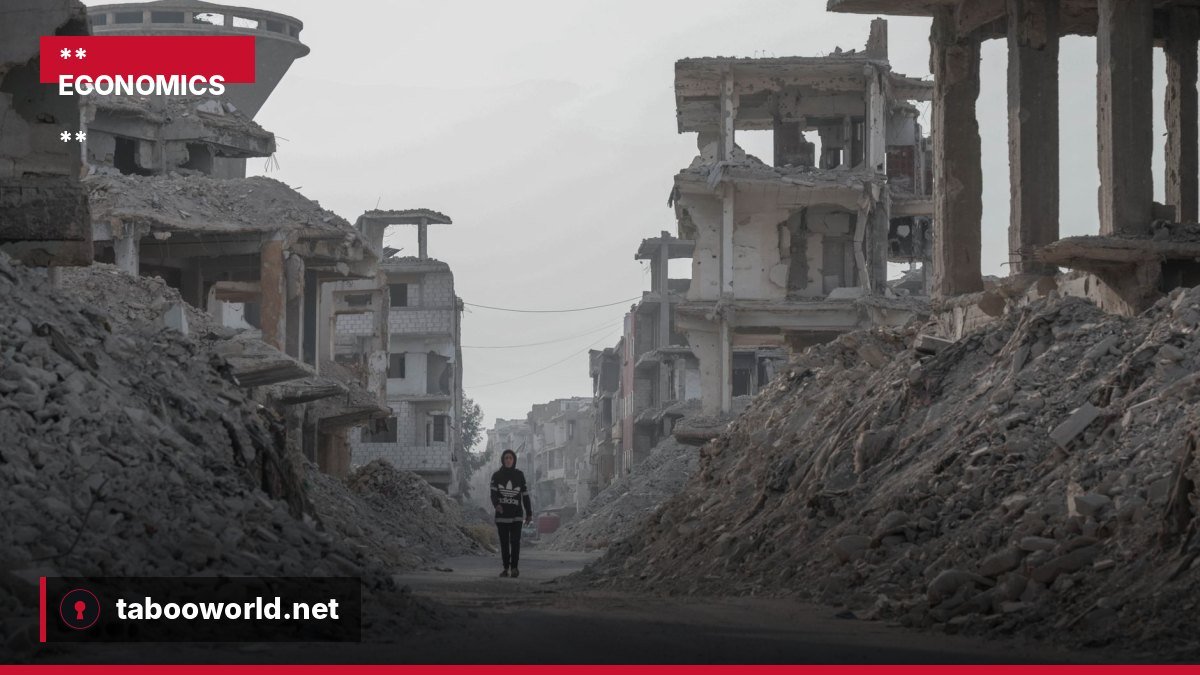
Yemen’s chronic poverty stems from depleted oil, perpetual conflict, weak institutions and missed geographic opportunities.
Yemen’s oil peaked in 2001; war damage since 2014 halted production. Without oil revenue, state income fell sharply, leaving a fiscal deficit of 13.6 % of GDP in 2025 (IMF, 2026).
Since the 1960s Yemen has endured civil wars (1994, 2014‑present), insurgencies and a humanitarian crisis. Infrastructure has been destroyed, foreign investment evaporated and public services collapsed (Brilliant Maps, 2026).
Fragmented tribal politics and fragile state institutions have fostered corruption. Yemen’s debt‑to‑GDP ratio of 70.9 % shows fiscal mismanagement (IMF, 2026).
While the Bab el‑Mandeb strait is a important shipping lane, Yemen’s instability prevents it from turning port revenues into a growth engine. Corruption and insecurity have deterred the development of modern terminals.
| Metric | Oman | Yemen |
|---|---|---|
| GDP (2025) | $110 B | $21.6 B |
| GDP per capita | $19,947 | $634 |
| Debt‑to‑GDP | 35.8 % | 70.9 % |
| Inflation (average 18 yr) | 2.17 % | 10.2 % |
| Economic Freedom Index | 68.5 | 53.7 |
Oman has cultivated Western investment partnerships, drawing capital into ports and tourism. Yemen’s historical alignment with the Eastern Bloc limited access to Western finance, deepening its economic isolation (ABTC, 2026).
“Oman’s foresight in attracting investments and diversifying its economy has positioned the nation for sustained growth.”
ABTC, “Why is Oman rich and Yemen poor?”
Oman’s oil revenues, stable governance and diversified economy generate far more income per person than Yemen’s war‑torn, oil‑poor economy.
Yemen’s debt‑to‑GDP ratio of 70.9 % limits fiscal space, forces higher borrowing costs and reduces public investment.
In theory, yes, but ongoing conflict and corruption prevent the development of profitable ports.
Oman averages 2.17 % inflation, while Yemen endures about 10.2 %, eroding purchasing power for Yemenis.
Yes; Oman’s Economic Freedom Index score (68.5) exceeds Yemen’s (53.7), reflecting fewer barriers to trade and investment.
Sources: Brilliant Maps – GeoRank – ABTCUpdated: October 28, 2026.
Listen to this article 1× Key Takeaways A typical single person in Canada needs about C$1,309.78 per month for expenses excluding rent. Average monthly…
Listen to this article 1× Key Takeaways A banned activity is prohibited by any authority, while an illegal activity violates statutory law and carries…
Listen to this article 1× Key Takeaways They fight Saudi to remove Saudi influence and defend Yemen from what they view as foreign aggression.…