Former Qatar PM Trump Adviser Dispute Escalates Amid Payment Allegations
Listen to this article 1× Former Qatar PM trump adviser dispute has erupted into a public legal showdown after a former business partner accused…

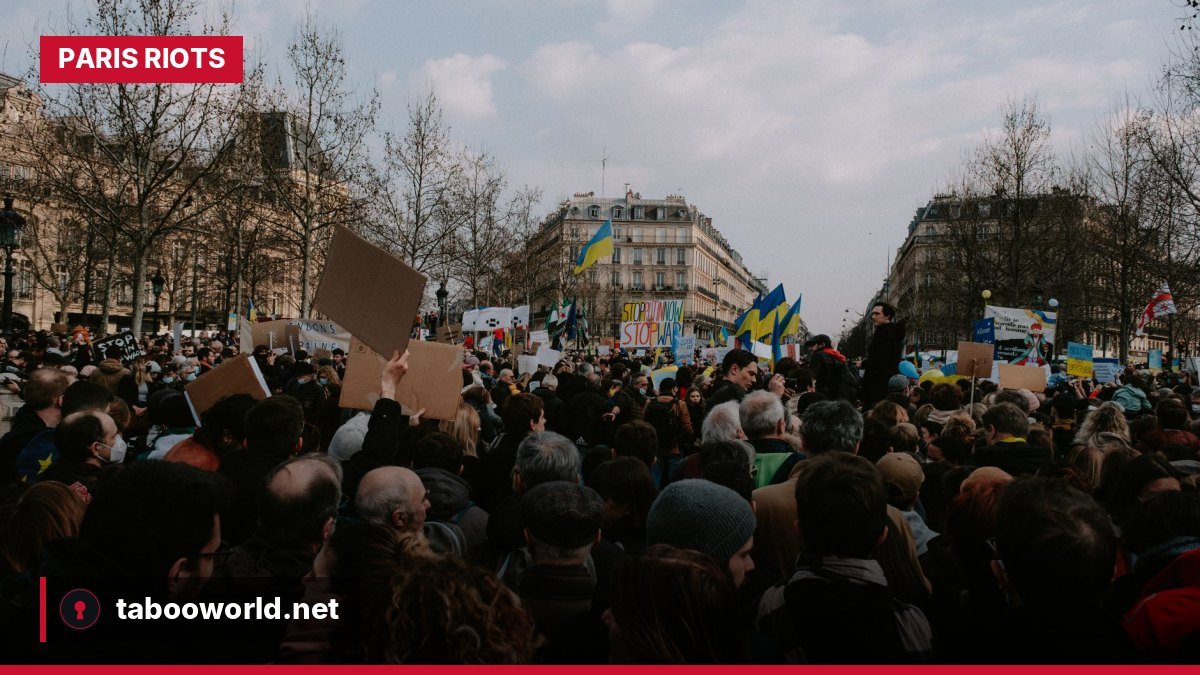
France experiences recurring riots due to a complex interplay of economic grievances, social inequalities, and contentious government policies, often exacerbated by a perceived heavy-handed police response and a deeply entrenched sense of public discontent. The unrest frequently begins with specific triggers, such as student complaints or fuel price hikes, but quickly broadens to encompass wider societal frustrations.
France’s persistent unrest is triggered by a combination of factors, including deteriorating public services, economic pressures, and specific government actions that ignite widespread public anger. What often starts as localized grievances quickly escalates into broader movements.
For instance, the latest wave of protests, beginning in late September 2026, was initially sparked by student complaints about failing public schools. Students cited teacher shortages, rundown classrooms, long school days, and an opaque university admissions system known as “Parcoursup,” according to WXLV. Some reported missing months of instruction due to unfilled staff absences. Conditions included temporary toilets without water, rats, and cockroaches in schools, and extreme temperatures ranging from -5 °C in winter to 40 °C in summer in temporary classrooms, as reported by a 17-year-old pupil in Saint-Denis to Agence France-Presse (AFP).
Economic woes significantly fuel French protests by exacerbating existing social inequalities and directly impacting citizens’ daily lives through rising costs and stagnant wages. The cost-of-living crisis, high inflation, and government austerity measures are central to public discontent.
The 2026 protests quickly expanded beyond student issues to include broader concerns about the cost of living, high fuel prices. The CGT, one of France’s largest unions, called for lower prices, higher pensions, and higher wages, according to WXLV. Fuel costs rose due to inflation, partly linked to the conflict in the Middle East and the effective closure of the Strait of Hormuz after US bombing, according to Wikipedia. In September 2026, the price of diesel in France reached €2.37 per liter, just 1 cent below its record high of €2.38 per liter. This situation revived comparisons to the Yellow Vest movement, which protested planned fuel-tax increases eight years prior, with organizers calling some demonstrations “yellow and youth” protests.
France’s economic performance in 2026 also added to the pressure, with its GDP contracting by 0.2% in the first quarter, stagnating in the second, and declining by 0.1% in the third, as noted by Wikipedia. These economic conditions, coupled with government budget plans that included €61 billion in new spending cuts and a proposed freeze on state employees’ base salaries in 2027, intensify public sector strikes and wider protests, as detailed by Al Jazeera. To learn more about the broader context of these demonstrations, read about the political roots of France’s 2024 unrest
The police response often plays a critical role in escalating riots, with accusations of disproportionate force and a high number of arrests fueling further anger and confrontation. This dynamic frequently transforms peaceful demonstrations into violent clashes.
During the 2026 protests, authorities reported over 400 detentions, many of them minors, on a single day in late September, according to Al Jazeera. Interior Minister Laurent Nuñez stated that 440 people were detained nationwide, with about two-thirds placed in police custody. He condemned protesters who arrived with covered faces and projectiles, while also rejecting accusations of police repression, maintaining the response had been proportionate. However, human rights organizations criticized the police tactics. Amnesty International denounced a “disproportionate” use of force, Human Rights Watch reported serious injuries to children, and the UN Human Rights Office expressed concern, calling for peaceful protests and no disproportionate force, according to Wikipedia. For a specific incident of police action under scrutiny, see the police grenade controversy explained
As of October 22, 2026, 2,700 people were arrested across France, with more than 1,000 appearing in court and 217 jailed after fast-track trials, according to the French Minister of Justice, Gérald Darmanin, cited by Wikipedia. This aggressive stance by authorities often leads to further clashes, with approximately 500 police, firefighters, and paramedics reportedly injured, as reported by WXLV. The government has consistently blamed “ultra-left groups” and opportunistic looters for the violence, while left-wing leaders like Jean-Luc Mélenchon accused authorities of inflaming tensions, according to WXLV.
Yes, broader social and political factors significantly contribute to the frequency and intensity of French unrest, including underlying social inequality, political polarization, and public distrust in institutions. These issues create a fertile ground for widespread discontent.
The protests are part of a wider European unrest, with similar demonstrations occurring in Belgium, Albania, Greece, Italy, Portugal, Spain, Austria, Ireland, Serbia, and Germany, as noted by Wikipedia. This suggests that some grievances, such as inflation and government spending cuts, resonate beyond France’s borders. In France, the unrest coincides with a highly charged political climate ahead of the presidential election in April 2027, with political parties positioning themselves and seeking to capitalize on public anger, according to Al Jazeera. For a detailed timeline of recent events, refer to the France protests timeline 2026
The government’s priorities have also been questioned. For example, some students argue that authorities should focus on providing decent learning conditions rather than implementing restrictions like the ban on wearing the abaya in state schools, as highlighted by Al Jazeera. Such policies can be seen as misaligned with the pressing needs of the population, further fueling dissent. The ongoing debates and comparisons to past movements, such as the Yellow Vests of 2018demonstrate the deep-seated nature of these social and political tensions.
French students protest issues such as teacher shortages, overcrowded classrooms, dilapidated school buildings, long school days, and a stressful, opaque university admissions system called “Parcoursup.” They also express discontent over inadequate resources and poor working conditions for teachers.
Inflation affects French protests by driving up the cost of living, particularly fuel prices, which directly impacts household finances. This economic pressure leads to demands for higher wages and pensions, and contributes to broader discontent against government austerity measures.
The French government’s response includes deploying additional substitute teachers, involving students in school decisions, and dropping a planned increase in some university registration fees. However, it also involves a strong police presence, numerous arrests, and accusations against “far-left” groups for instigating violence and looting.
The majority of French demonstrations are peaceful, but violence and looting frequently break out on the sidelines, particularly in cities. This violence is often attributed to fringe ultra-left groups and opportunistic individuals, leading to property damage, injuries, and a significant number of arrests.
As of October 22, 2026, approximately 2,700 people had been arrested across France during the recent unrest. More than 1,000 of these individuals appeared in court, and 217 were jailed after being convicted in fast-track trials.
Sources: WXLV – Al Jazeera – Sherafgan Khan – en.wikipedia.orgUpdated: November 4, 2026.
Listen to this article 1× Former Qatar PM trump adviser dispute has erupted into a public legal showdown after a former business partner accused…
Listen to this article 1× Comparing the UK vs BAN requires examining the United Kingdom’s distinct legal framework against the backdrop of various global…
Listen to this article 1× Donald Trump has said the United States is “looking into” an alleged Iranian plan to detonate a dirty bomb…