Should homework be banned?
Listen to this article 1× Homework should be largely banned, particularly for elementary students, because research shows it raises anxiety, reduces free time, and…
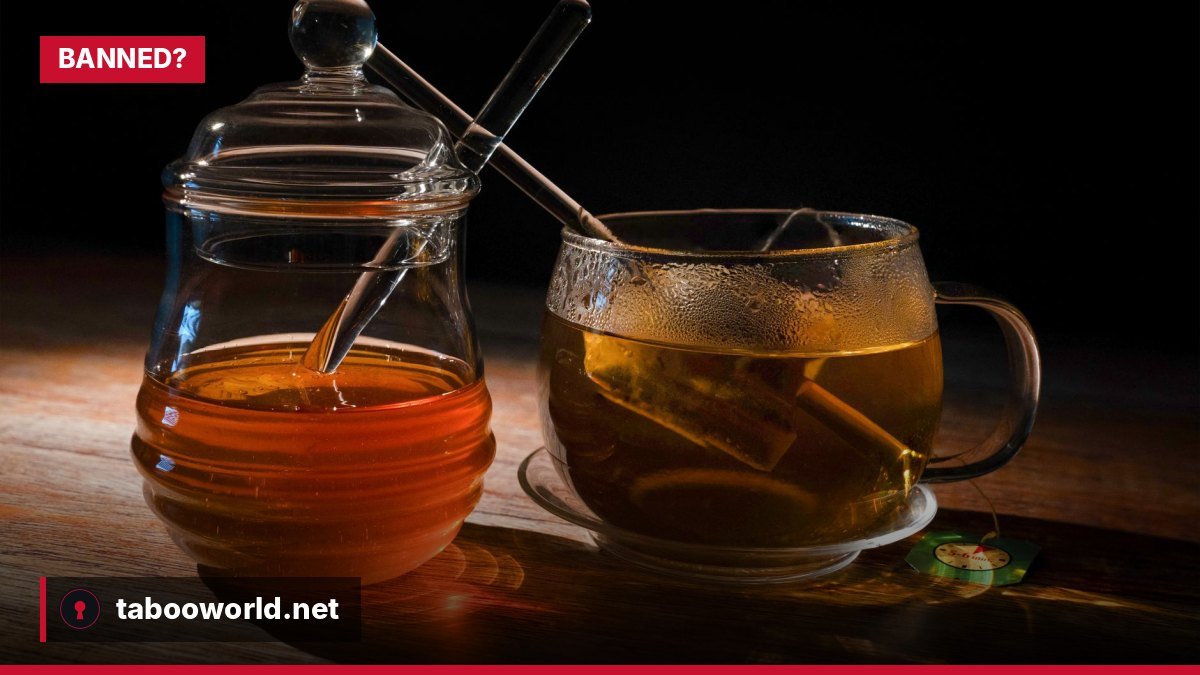
Allulose is not approved for general use as a sweetener in the European Union; it is treated as a novel food and cannot be marketed without a specific EFSA safety authorization.
The EU requires any new ingredient to undergo a rigorous safety assessment under Regulation (EU) 2015/2283. EFSA has identified data gaps on long‑term toxicity, metabolism and gut‑microbiome effects, so no EU‑wide authorization has been granted. Consequently, allulose may only appear in the EU market if a company obtains a formal novel‑food approval for defined food categories, with mandatory labeling and usage limits.
Without such approval, products containing allulose must be reformulated or excluded from EU sales, and manufacturers face non‑compliance penalties under EU food law. Some member states may run limited pilot authorisations, but these are exceptions, not a blanket allowance.
Browse more in our Banned Around the World database.
Sources: thelegalguide.org, lawwiselab.org, catalystlegal.org
Listen to this article 1× Homework should be largely banned, particularly for elementary students, because research shows it raises anxiety, reduces free time, and…
Listen to this article 1× Shadow banning means a user’s posts or comments are hidden or down‑ranked for other users while the poster sees…
Listen to this article 1× Asbestos (specifically chrysotile) was banned in the United States in 2024. The ban, finalized by the EPA in March…