** What Is Iran Doing? A Hard‑Hit Look at Tehran’s War Strategy **
Listen to this article 1× ** Iran is launching coordinated missile, drone, and proxy attacks while simultaneously bargaining for a cease‑fire to keep the…

**
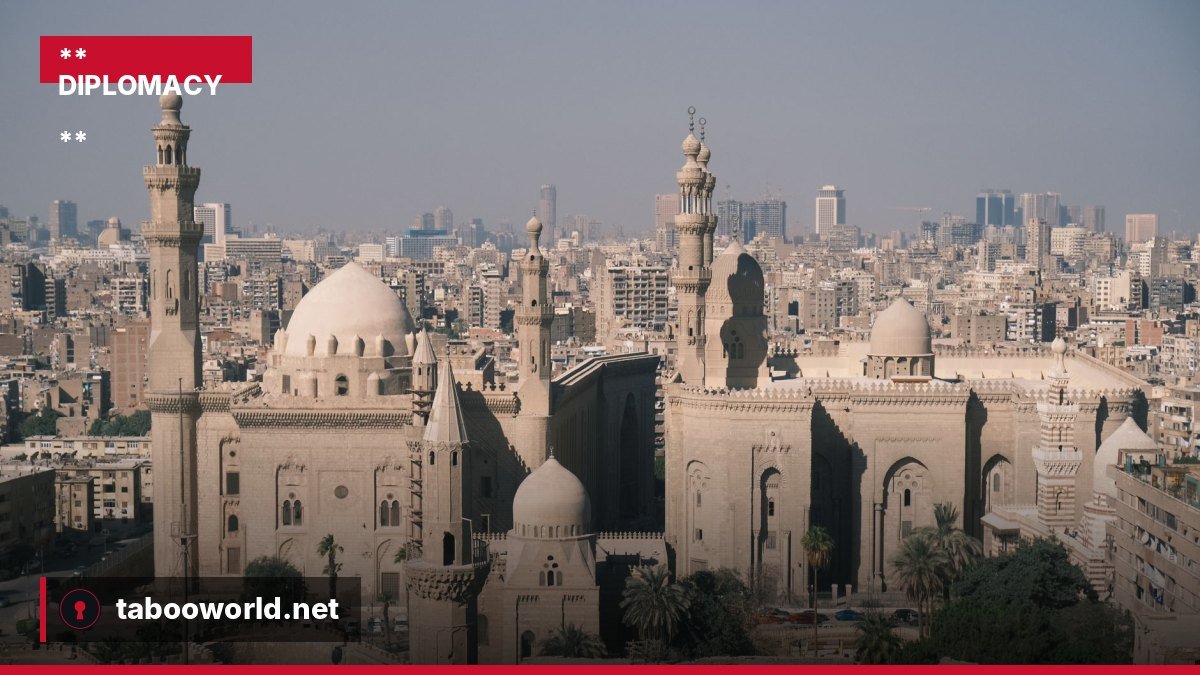
Egypt’s parliament authorized President Abdel Fattah el‑Sisi to provide defensive military support to Saudi Arabia on 21 October 2026, a move aimed at averting a wider Gulf war.
The parliamentary statement allows el‑Sisi to “take necessary measures to provide military support to Saudi Arabia, if requested,” limited to defensive actions that protect Saudi territory and infrastructure. Egypt’s Constitution demands a two‑thirds majority for any overseas combat mission, which the House achieved after closed‑door talks.
Former assistant foreign minister Hussein Haridy told Al Jazeera that Egypt’s mission is “purely defensive” and will not target any state or non‑state actor. El‑Sisi reiterated on 19 Oct 2026 that any Egyptian action would focus on shielding Saudi borders, not striking Yemen.
Since July 2026, Houthi rebels, backed by Iran, have struck Saudi civilian airports and Aramco facilities, disrupting flights and oil exports. The attacks test the Mecca Joint Defense Agreement, which obliges signatories to respond if a member is attacked. Saudi Defense Minister Khalid bin Salman has used the escalating strikes to justify seeking regional allies.
Foreign Minister Badr Abdelatty visited Riyadh on 20 Oct 2026, emphasizing a “preference for a diplomatic settlement.” The same day, UN Secretary‑General Guterres met el‑Sisi in Cairo, urging “maximum restraint” and praising Egypt’s diplomatic outreach to de‑escalate Gulf tensions.
Iran’s neighbors have launched a parallel diplomatic offensive. Iran International quoted analyst Mohamed Fahmy, who called the regional talks “the last chance before a collective imminent military action.” Saudi‑Turkish‑Pakistani delegations met Iranian officials in Tehran in early October, demanding the reopening of the Strait of Hormuz and unhindered nuclear inspections.
Critics argue that a defensive pledge can quickly become a de‑facto offensive if Saudi Arabia requests air strikes on Houthi positions inside Yemen. The constitutional safeguard, two‑thirds parliamentary approval, does not prevent the executive from redefining “defensive” after the fact, a loophole highlighted by regional security analysts.
| Date | Event | Implication |
|---|---|---|
| 15 Sep 2026 | Houthi missile hits Riyadh airport | Escalates Saudi security concerns |
| 03 Oct 2026 | Saudi‑Turkey‑Pakistan defense meeting in Tehran | Signals collective response under Mecca pact |
| 19 Oct 2026 | El‑Sisi states Egypt will act defensively only | Attempts to limit scope of involvement |
| 21 Oct 2026 | Egyptian parliament authorizes military support | Legal basis for possible deployment |
| 21 Oct 2026 | UN‑Guterres meeting in Cairo | International endorsement of restraint |
For Egyptians, the vote could trigger conscription or reserve activation if Saudi Arabia formally requests aid. Saudi civilians face the prospect of continued missile attacks unless diplomatic pressure forces the Houthis to cease fire. The broader Gulf population watches a fragile balance between diplomatic talks and the looming threat of a regional clash.
The House gave President el‑Sisi authority to provide defensive military assistance to Saudi Arabia if the kingdom asks for it.
No. The authorization is limited to defensive measures that protect Saudi territory, according to statements from former assistant foreign minister Hussein Haridy.
UN Secretary‑General Antonio Guterres praised Cairo’s restraint and called for “maximum restraint” during his meeting with el‑Sisi.
Experts warn that a defensive pledge can be reinterpreted as offensive if Saudi Arabia requests strikes inside Yemen, raising the risk of broader conflict.
Saudi Arabia, Turkey, Pakistan, and Iran’s neighbors are holding talks to pressure Tehran and prevent escalation, as reported by Iran International.
Sources: Varthabharati – Iran InternationalUpdated: November 5, 2026.
Listen to this article 1× ** Iran is launching coordinated missile, drone, and proxy attacks while simultaneously bargaining for a cease‑fire to keep the…
Listen to this article 1× Jensen Huang scandal fallout began with the former Nvidia CEO’s admission of an extramarital affair on November 8, 2026,…
Listen to this article 1× Gulf Cooperation Council Secretary‑General Jassem Mohamed Albudaiwi on 13 November 2026 praised UN Security Council Resolution 2837, which demands…