
Banned Music in America: A Hard‑Look at the Rules and Repercussions
Listen to this article 1× Banned music in America refers to songs, albums, or entire genres that are prohibited by law, court order, or…
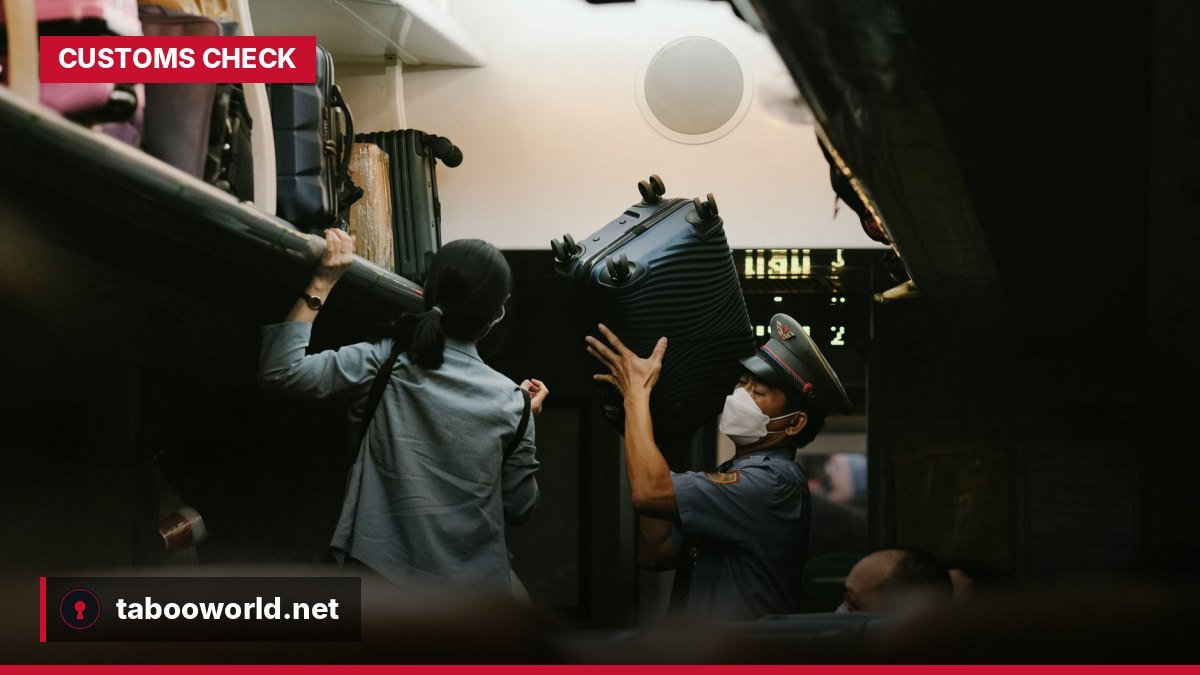
What is not allowed in Germany includes a strict list of items ranging from specific foods and large sums of undeclared cash to dangerous goods, certain medications, and any form of Nazi symbolism. These prohibitions are enforced by German customs and broader EU laws to protect public health, safety, and cultural heritage, with violations leading to fines, confiscation, or even imprisonment.
If you are traveling from a non-EU country, meat and dairy products are generally not allowed in Germany. This includes fresh, frozen, or processed items like sujuk, basterma, white cheese, labneh, butter, and ghee. The ban aims to prevent the spread of animal diseases, such as foot-and-mouth disease, according to Move to Germany. Frankfurt and Munich airports use trained dogs to detect prohibited food items, and fines for non-compliance are substantial.
While small, sealed quantities of cheese or sweets containing dairy might sometimes pass unnoticed, they are still officially banned and subject to confiscation. Plant-based sweets made with oil are permissible. Exceptions to the meat and dairy ban include sealed, branded powdered infant formula, baby food, and special medical foods, up to 2 kg, provided they do not require refrigeration before opening. Travelers from EU neighbors like Switzerland, Norway, Iceland, Liechtenstein, Andorra, and San Marino are exempt from these restrictions.
Fresh fruits and vegetables from outside the EU also face strict controls. Since December 2019, most plant products require a plant-health certificate from their country of origin. Common fruits like mango, guava, citrus, pomegranate, fresh figs, and apples are not exempt from this rule. Mangoes, in particular, are restricted due to their potential to carry fruit flies. Dates are a notable exception and can be brought in freely for personal use.
Permissible food items include dried spices and herbs (like za’atar and sumac), olive oil, olives, pickles, tahini, halva, jam, nuts, dried fruit, coffee, tea, and plant-based sweets. Gutted fresh or cooked and processed fish is also allowed, even in quantities over 20 kg for personal use, according to Marwan at Move to Germany.
You can bring any amount of money into Germany, but cash or equivalent means of payment totaling €10,000 or more must be declared to customs. This rule applies whether you are entering or leaving Germany, and it serves as an anti-money laundering measure, not a tax. Failure to declare can result in the cash being held and fines imposed.
Since 2021, gold is also considered “cash” for this declaration threshold. Gold coins with 90% purity or more, and gold bars with 99.5% purity or more, are added to banknotes when calculating the €10,000 limit. Personal gold jewelry worn as effects is generally exempt, but new gold purchases count towards the general goods allowance of €430 by air or sea, or €300 by land, as outlined by zoll.de.
Medicines for personal use are generally permitted, up to a three-month supply, in their original packaging, ideally with a prescription. However, controlled medicines, such as strong painkillers, certain sleep aids, and psychiatric drugs, require a prescription and sometimes a special certificate. Travelers should verify specific requirements before flying, according to Germany Handbook.
Several categories of items are flatly prohibited and will be confiscated, regardless of quantity:
Germany has stringent laws against any display of Nazi symbols or the performance of a Nazi salute. This is a criminal offense under §86a of the German Penal Code, punishable by up to five years in prison, even if done ironically or for a tourist photo, as noted by IsItLegalHere. Holocaust denial and extremist propaganda are also strictly prohibited. The import of publications or media deemed harmful to minors or unconstitutional is monitored to protect public order and morality, according to zoll.de.
Also, cultural assets, such as stolen or illegally acquired works of art and archaeological finds, are subject to import bans to prevent illicit trade and protect cultural heritage. Travelers with genuinely old or valuable items must have clear provenance and documentation. For more information on prohibited items, including books, you can check our guide on Censorship Speaker Series RDP Exposes Canada’s Growing Book Bans
Bringing pets like dogs or cats into Germany involves a separate process with specific health and documentation requirements. There is also a prohibition on importing certain breeds of dogs classified as dangerous, to protect public order, according to zoll.de.
For general goods (gifts, electronics), travelers arriving from outside the EU have a personal allowance before customs duty applies: €430 by air or sea, €300 by land, and €175 for those under 15. Tobacco and alcohol limits apply to travelers 17 and over, specifically 200 cigarettes, 50 cigars, or 250g tobacco, and 1 L of spirits (over 22% alcohol) or 2 L of wine/beer (up to 22% alcohol). Exceeding these limits means paying duty, not confiscation, as per Move to Germany.
Unconstitutional content in Germany primarily refers to materials that promote Nazism, deny the Holocaust, or disseminate hate speech. This includes symbols, publications, sound and image carriers, or data storage devices with such content. German law strictly prohibits any glorification or trivialization of the Nazi regime and its crimes.
You can bring controlled prescription medication for personal use, but it requires specific documentation. You will need a valid prescription from your doctor, the medication in its original packaging, and often a special certificate, especially for strong painkillers or psychiatric drugs. It is important to check specific requirements with German authorities before travel.
Yes, importing rough diamonds into Germany, regardless of value or quantity, requires a special document called a Kimberley certificate. This certificate is designed to prevent the trade of “conflict diamonds” or “blood diamonds.” Without this document, rough diamonds are prohibited from entry.
Sources: Move to Germany – zoll.de – Germany Handbook – isitlegalhere.comUpdated: November 17, 2026.
Listen to this article 1× Banned music in America refers to songs, albums, or entire genres that are prohibited by law, court order, or…
Listen to this article 1× Daniel Jones, 31, appeared at Oberlin Municipal Court on Thursday, October 29, 2026, to face six murder counts and…
Listen to this article 1× The NFL’s first regular‑season game in France took place on October 25, 2026 at Stade de France despite nationwide…