



The US–Iran war has dragged on for months, and many people have lost track of how it began and where it is heading. This guide keeps it simple: the background, the current situation, and what to watch next. Quick Summary The war began on February 28, 2026, when the United States and Israel attacked Iran, […]
The US–Iran war has dragged on for months, and many people have lost track of how it began and where it is heading. This guide keeps it simple: the background, the current situation, and what to watch next.
Quick Summary
- The war began on February 28, 2026, when the United States and Israel attacked Iran, and Iran answered with missile and drone strikes on US bases, embassies and oil infrastructure. britannica
- A ceasefire exists, but no end date was set, and proposals from both sides were rejected in the weeks that followed. britannica
- Talks are stuck on Iran’s nuclear program, and oil prices remain high.
- The US midterm elections on November 3 now shape almost every decision.
How Did the US–Iran War Start?
The conflict did not appear overnight. For months, Washington accused Tehran of building up its nuclear and missile programs. Tehran denied it and accused the US of spreading disinformation.
Indirect talks were held in February, but the US and Israel launched strikes on February 28. Diplomats later claimed that mistakes in how the Iranian offer was relayed hurt those negotiations. In other words, a diplomatic track was still open when the bombs began. Wikipedia
What Did Iran Do in Response?
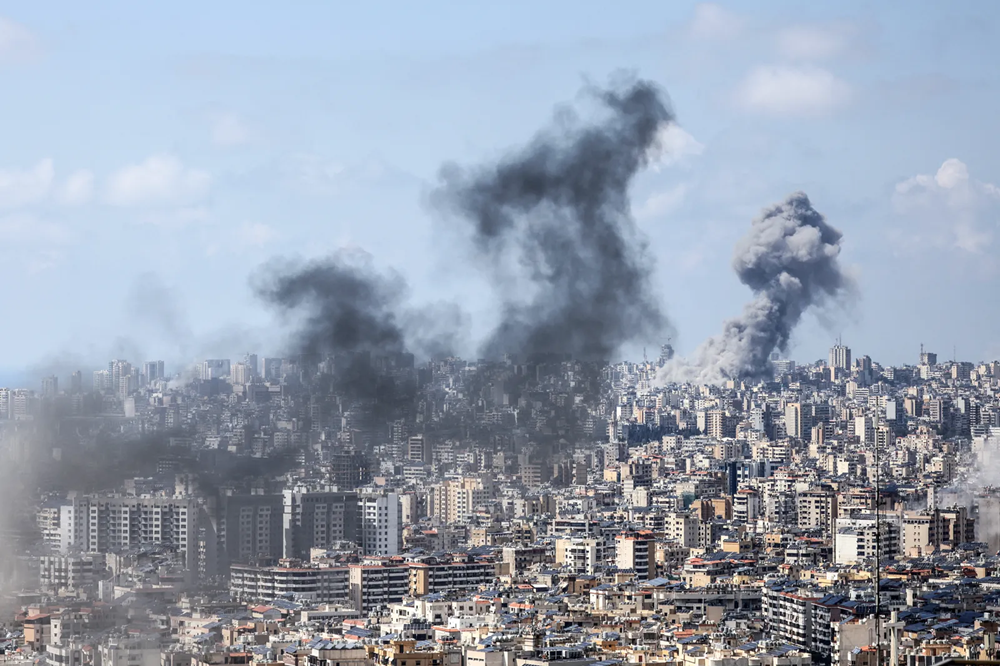
Iran did not stay quiet. It hit US military sites in the UAE, Saudi Arabia, Qatar, Kuwait, Bahrain, Iraq, Oman and Jordan. It also threatened the Strait of Hormuz, the narrow waterway through which a huge share of the world’s oil travels. Even the threat was enough to make shipping companies and energy traders nervous. britannica
Where Does the War Stand Today?
As of October 10, 2026, the war is in a tense pause rather than a clear peace.
1. Both sides are talking, but not agreeing.
US Vice President JD Vance wants a “meaningful” cut in Iran’s uranium enrichment capacity. Experts see this as possibly softer than the earlier demand that Iran give up enrichment completely. Iran’s president has called talks “futile,” while his foreign minister says negotiations based on justice and fairness could still end the conflict. Mixed signals like these are why a deal keeps slipping away. Al Jazeera Al Jazeera
2. Russia has stepped in as a messenger.
Vladimir Putin passed Iran’s position on a possible resolution to Donald Trump, according to the Kremlin. Al Jazeera
3. Military planning continues in the background.
The Pentagon told US Central Command to finish preparations for possible major combat operations, though no date or final decision was reported. Still, Trump says he will not resume strikes before the November 3 midterms. Axios Al Jvazeera
4. The public is not happy.
About 65 percent of Americans disapprove of how Trump has handled the war, according to a new Pew poll. The Senate also rejected a war-powers resolution 49 to 50 on September 24, a razor-thin margin. Al Jazeera globalsecurity
5. The wider region is still unstable.
Houthi-claimed attacks on Saudi airports killed three people on October 7. britannica
Why Oil Prices Matter to Everyday People
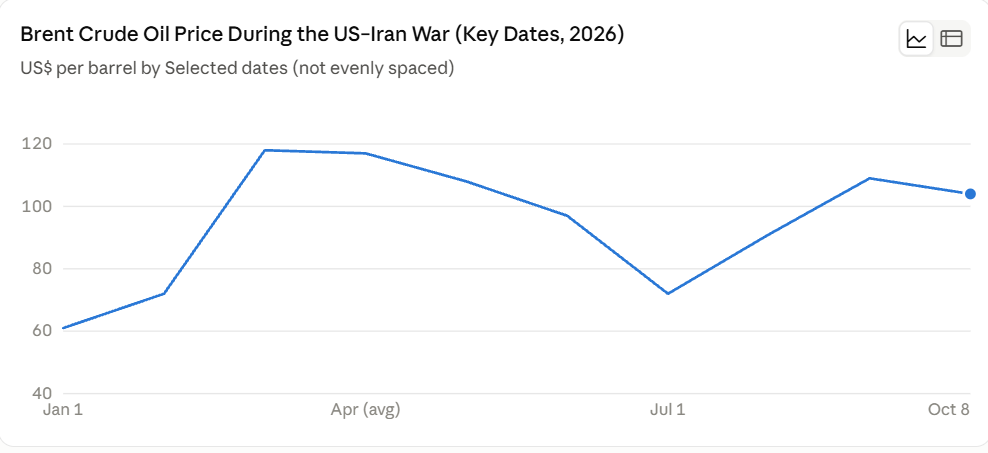
You do not need to live in the Middle East to feel this war. When reports surfaced that Washington might strike again, Brent crude rose above $104 a barrel. Higher oil usually means: globalsecurity
- More expensive petrol and diesel
- Higher shipping and airline costs
- Pressure on prices of food and everyday goods
- Extra stress for import-dependent countries
That is also why the timing of any new strikes is such a political question in the US.
Three Things to Watch in the Coming Weeks
- The November 3 midterms. Many analysts expect decisions about renewed military action to depend on the election result and on oil prices.
- The enrichment debate. If the US and Iran agree on a middle ground for uranium enrichment, a real deal becomes possible.
- Shipping in the Strait of Hormuz and Red Sea. Any new attack on tankers or energy sites can change the story overnight.
Final Thoughts
The US–Iran war is no longer just a military story. It is also a story about elections, energy prices, and who is willing to blink first. For now, the ceasefire holds, the talks drag on, and both sides keep their options open. One thing is clear: the next few weeks will be decisive.
FAQ
When did the US–Iran war start?
On February 28, 2026, after US and Israeli strikes on Iran.
Is there a ceasefire between the US and Iran?
Yes, but it is open-ended and fragile, and peace talks have made little progress.
Why is the Strait of Hormuz important?
A large share of the world’s oil ships through it, so any disruption pushes global prices up.
Will the US attack Iran again?
Trump says not before November 3, though reports say military planning continues. Nothing is final.
