
What Is Not Allowed in Germany: The Strict Truth About Prohibited Imports
Listen to this article 1× What is not allowed in Germany includes a strict list of items ranging from specific foods and large sums…
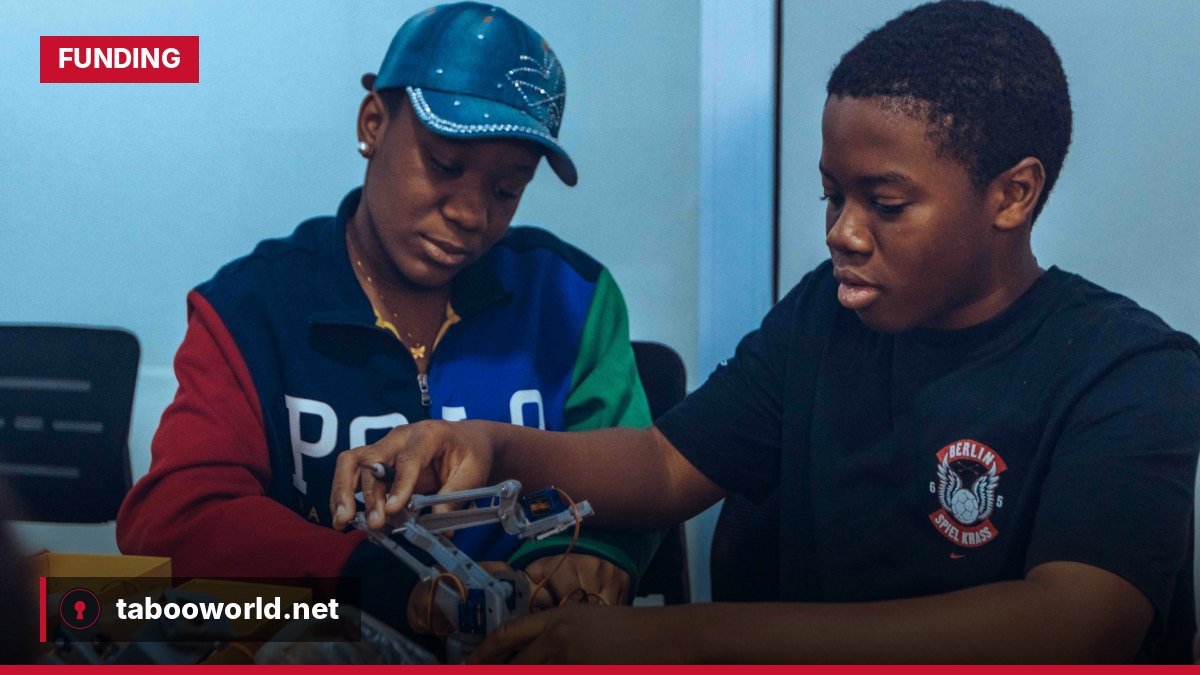
Colorado has awarded $4.98 million to 28 organizations to keep children out of the criminal justice system, a move that could save the state over $30 million annually.
The Deflection and Community Investment Grant Program, created by House Bill 25‑1146 in 2025, distributes state money to organizations that provide alternatives to detention. Grants must be signed before any spending occurs, and the program is described as a pilot by the Division of Criminal Justice.
Funding targets mentorship, affordable housing, after‑school activities and family support. Ten percent of the budget is earmarked for groups serving American Indian and Alaska Native youth, such as Denver Indian Health and Family Services.
Twenty‑eight groups split the $4.98 million. Highlights include:
The Colorado Youth Justice Team estimated the FY 2025 cost per incarcerated juvenile at $177,000. Multiplying that by the average daily population of 174 yields an annual expense of roughly $30.8 million.
By contrast, Washington spends $331,000 per youth and New York nearly $1 million, according to the same source. Colorado officials argue that detention is “the most expensive and least effective public policy” for preventing future crime (Rocky Mountain PBS).
Data from the Common Sense Institute shows Colorado’s juvenile crime rate fell 29.7 % between 2008 and 2022, while the number of youth under state supervision dropped 70 % since 2010. The institute also estimated the total cost of juvenile crime in 2023 at $566 per resident, suggesting a broader economic benefit to prevention.
Since 2022, Longmont police must refer youths committing low‑level crimes to the Longmont Community Justice Partnership rather than issuing citations. Participants undergo a needs assessment, receive counseling, substance‑use education or restorative‑justice sessions, and their cases close without a record.
One success story: Nathan Weathers, referred at age 13 for library theft, completed 20 hours of community service and has remained sober for 15 years (Rocky Mountain PBS).
The Colorado General Assembly appropriated $2,708,316 from the general fund to the Department of Public Safety for the grant program. However, the program’s pilot length is disputed: House Bill 25‑1146 cites two years, while the Division of Criminal Justice lists a three‑year run through June 2028.
Oversight concerns persist. The Division of Youth Services faces a class‑action lawsuit over delayed releases, and the Colorado Child Protection Ombudsman has flagged detention‑facility conditions.
| Year | Detention Cost (USD) | Deflection Grant Funding (USD) | Net Savings (USD) |
|---|---|---|---|
| 2025 | $30.8 million | $1.66 million* (one‑third of grant) | $29.1 million |
| 2026 | $30.8 million | $1.66 million | $29.1 million |
| 2027 | $30.8 million | $1.66 million | $29.1 million |
*Assumes 33 % of total grant money is spent each year on direct deflection services.
Critics point out the pilot’s limited timeframe and the reliance on grant agreements before any money can be spent, creating uncertainty for grantees. The discrepancy between the bill’s two‑year funding window and the agency’s three‑year pilot raises questions about long‑term sustainability.
Also, while the program reserves funds for Indigenous youth, only a fraction of the $4.98 million reaches those communities. Monitoring the effectiveness of each sub‑grant will be essential to avoid “paper‑program” pitfalls that have plagued previous reform attempts.
Colorado awarded $4.98 million to 28 organizations through the Deflection and Community Investment Grant Program.
The pilot runs through June 30, 2028, according to the Division of Criminal Justice.
The Colorado Youth Justice Team estimated the FY 2025 cost at $177,000 per youth.
Longmont’s REWiND model has cut school‑resource‑officer tickets and arrests by 80 % each year.
Ten percent of the total $4.98 million is earmarked for organizations serving American Indian and Alaska Native youth.
Sources: Hoodline – Rocky Mountain PBSUpdated: November 18, 2026.
Listen to this article 1× What is not allowed in Germany includes a strict list of items ranging from specific foods and large sums…
Listen to this article 1× Banned music in America refers to songs, albums, or entire genres that are prohibited by law, court order, or…
Listen to this article 1× Daniel Jones, 31, appeared at Oberlin Municipal Court on Thursday, October 29, 2026, to face six murder counts and…

1 comment