
** What Is Iran Doing? A Hard‑Hit Look at Tehran’s War Strategy **
Listen to this article 1× ** Iran is launching coordinated missile, drone, and proxy attacks while simultaneously bargaining for a cease‑fire to keep the…

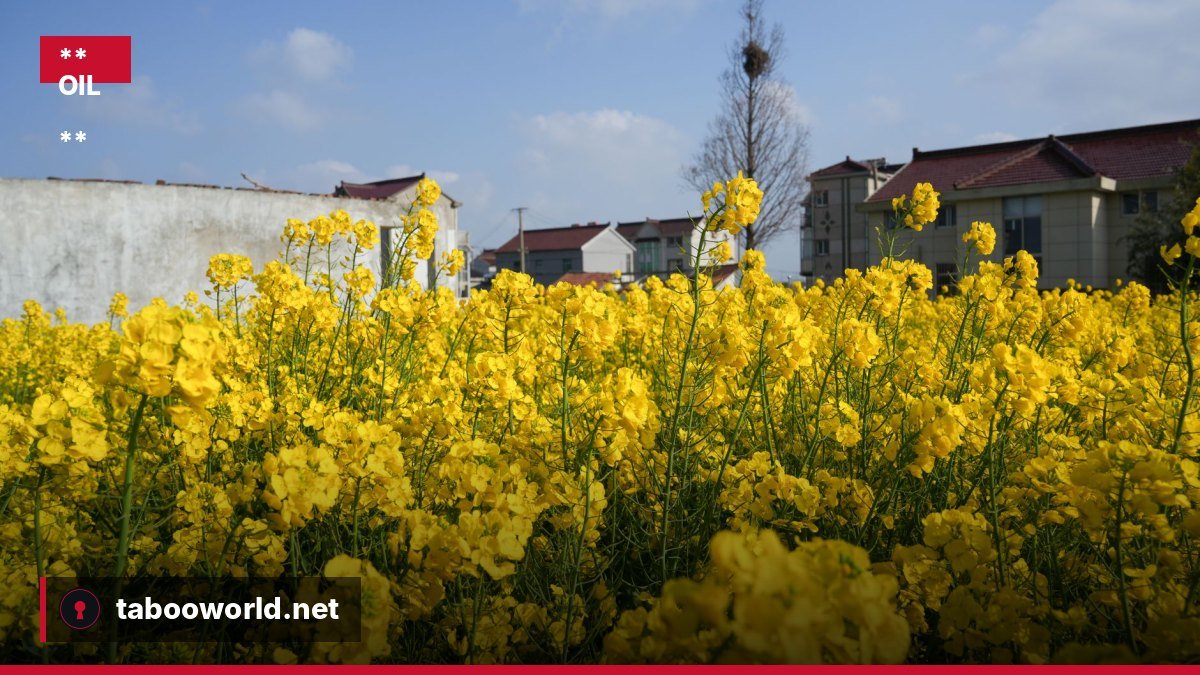
What is canola oil used for? It is a versatile vegetable oil found in kitchens, factories, farms and fuel tanks worldwide.
Chefs value canola oil for its high smoke point (≈ 400 °F/204 °C) and neutral flavor. It appears in:
The same high‑heat processes that give canola oil its cooking versatility also degrade its polyunsaturated fats, especially the omega‑3 ALA, reducing the nutritional benefit (Healthline).
After oil extraction, the pressed cake, known as canola meal, provides high‑protein animal feed. It supplies essential amino acids for livestock, poultry and aquaculture, making it a base of North American feed formulations (Healthline).
Canola oil can be transesterified into biodiesel, a renewable diesel substitute. In the United States, blends containing up to 20 % canola‑derived fuel sell at major pump stations. The fuel burns cleaner than petroleum diesel and emits fewer particulates, but its production competes with food supply and raises land‑use concerns (Healthline).
Beyond food and fuel, canola‑derived fatty acids act as plasticizers in rubber products, tires. The oil’s chemical stability also suits lubricants, soaps and cosmetics. These applications rely on the same refining steps, bleaching, deodorizing and sometimes hydrogenation, that strip the oil of most natural nutrients (Healthline).
Some manufacturers market “cold‑pressed” or “expeller‑pressed” canola oil as a health product, highlighting its vitamin E, vitamin K and omega‑3 ALA content. These minimally processed versions have lower smoke points and are unsuitable for high‑heat cooking. Consumers seeking omega‑3 benefits are better served by fish oil or flaxseed oil, which contain pre‑formed EPA/DHA (Medical News Today).
Canola oil’s fatty‑acid profile per tablespoon is:
| Fat type | Grams |
|---|---|
| Saturated | 1.03 g |
| Monounsaturated | 8.86 g |
| Polyunsaturated (PUFA) | 3.94 g |
It supplies 21 % linoleic (omega‑6) and 11 % alpha‑linolenic (omega‑3) acids. The omega‑6 to omega‑3 ratio of 2:1 beats many vegetable oils but still adds to the Western diet’s typical 20:1 imbalance, a pattern linked to chronic inflammation (Healthline).
Trans fats may appear in hydrogenated canola products, and the World Health Organization flags even small amounts of industrial trans fats as harmful (Medical News Today). High‑heat cooking also degrades ALA, diminishing its heart‑protective potential (Medical News Today).
Scientific opinion splits. Industry‑funded reviews label canola oil “one of the healthiest vegetable oils” because of its low saturated fat and favorable fatty‑acid mix (Medical News Today). Independent studies, however, associate high consumption with metabolic syndrome, oxidative stress and inflammation in animal models (Medical News Today, Healthline). Human data remain inconclusive, prompting calls for more long‑term trials.
If the trade‑offs of canola oil feel unacceptable, consider:
These alternatives avoid the hexane extraction and extensive refining that characterize most commercial canola oil (Healthline).
Genetically modified canola reduces pesticide use but increases herbicide reliance, especially glyphosate. Large‑scale monoculture can deplete soil nutrients and encourage biodiversity loss. Biodiesel use cuts greenhouse‑gas emissions per mile, yet the net benefit depends on land‑use changes and the energy intensity of processing (Healthline).
It has a high smoke point, but frying degrades its omega‑3 ALA and can create harmful oxidation products.
Partially hydrogenated canola oil does, but most refined canola oil sold for cooking contains only trace amounts.
Yes, it is plant‑based, but vegans concerned about GMOs may prefer certified non‑GMO or organic cold‑pressed versions.
Canola oil has more omega‑3 ALA, while olive oil offers higher monounsaturated fats and antioxidants.
It provides ALA, but the body converts ALA to EPA/DHA inefficiently; direct sources like fish oil are more effective.
For a deeper look at the controversy surrounding canola oil regulations, see our piece Why Is Canola Oil Banned in Europe? It’s Not (2026 Facts)Related topics include the Banned database and the impact of biofuels on food security.
Sources: Medical News Today – HealthlineUpdated: November 9, 2026.
Listen to this article 1× ** Iran is launching coordinated missile, drone, and proxy attacks while simultaneously bargaining for a cease‑fire to keep the…
Listen to this article 1× Jensen Huang scandal fallout began with the former Nvidia CEO’s admission of an extramarital affair on November 8, 2026,…
Listen to this article 1× Gulf Cooperation Council Secretary‑General Jassem Mohamed Albudaiwi on 13 November 2026 praised UN Security Council Resolution 2837, which demands…