






French authorities have arrested over 5,000 individuals, 85% of whom are minors, since student protests erupted nationwide in late September 2026, raising serious questions about teen protest rights in France and the state’s response to youth dissent. This significant number of arrests highlights a controversial approach by law enforcement and the government, which critics argue […]
French authorities have arrested over 5,000 individuals, 85% of whom are minors, since student protests erupted nationwide in late September 2026, raising serious questions about teen protest rights in France and the state’s response to youth dissent. This significant number of arrests highlights a controversial approach by law enforcement and the government, which critics argue is disproportionate and targets vulnerable young people.
Key Facts
- Over 5,000 people have been arrested since the protests began on September 17, 2026.
- 85% to 87% of those arrested are minors, many facing prosecution.
- The French Human Rights League accused security forces of using disproportionate methods against protesters.
- Prime Minister Sebastien Lecornu proposed legislation to make those responsible for property damage pay for repairs, potentially through family allowances.
- The protests, initially focused on school conditions, have escalated into vandalism and clashes with police.
Why Are So Many Minors Being Arrested in France’s Protests?
A staggering number of minors are being arrested in France’s ongoing student protests because authorities claim the movement has been “hijacked” by hard-left activists and has devolved into violence and vandalism, necessitating a firm police response. Since the protests began on September 17, 2026, over 5,000 people have been detained, with 85% to 87% of them being minors, according to NPR and Yahoo News. French Justice Ministry figures indicate that 1,483 minors are facing prosecution for unspecified charges. Education Minister Edouard Geffray stated that “activists — particularly from the far left — have infiltrated the high school student movement, hijacked it from the students themselves, and engaged in extreme violence,” posing a risk to staff and students, according to DW.com.
The protests, which started over grievances like teacher absences, overcrowded classrooms, dilapidated buildings, and inadequate cooling during hot temperatures, have seen instances of bus shelters destroyed, school entrances burned, and clashes with security forces. Twenty-four schools have been “burned or ransacked,” and 78 education staff members injured, as reported by DW.com. This escalation of violence has led to a heavy police presence and numerous arrests, often involving tear gas and batons to disperse young protesters, according to DW.com.
What Are the Accusations of Disproportionate Force Against Teen Protesters?
Accusations of disproportionate force against teen protesters stem from human rights organizations and eyewitness accounts, which claim that French security forces are using excessive methods, even when dealing with minors. The French Human Rights League explicitly accused security forces of using “disproportionate methods against protesters, many of whom are legally minors,” according to CBS News. Nathalie Tehio, President of the French Human Rights League, stated, “We can see that in the instructions given to the police, there is no directive to show restraint, even though they are dealing with children.” Amnesty International’s French branch also described police actions as “disproportionate,” DW.com reported.
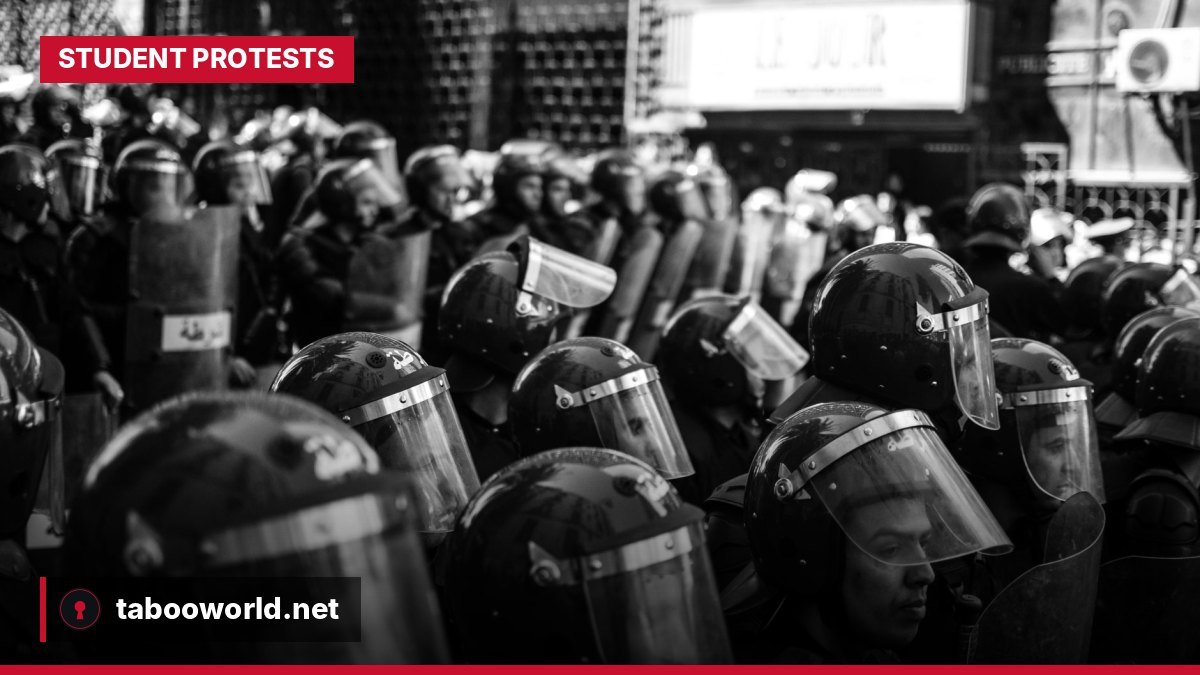
The severity of police intervention gained national attention with the incident in Lens, where a 15-year-old student lost a hand after picking up a police sting-ball grenade that exploded, as covered in our previous article, Police Grenade Controversy Explained: How a Teenager Lost His Hand and Why France Is Divided. This incident, along with footage showing “lines of riot police with shields and tear gas charging young people,” and a woman wailing at police, “These are just kids. You don’t need to use all this force,” as cited by NPR, fuels the narrative of excessive force. While Interior Minister Laurent Nunez defended security forces, stating they were “not cracking down on young people” but rather “protecting” students, critics argue the sheer number of minor arrests and injuries suggests otherwise, according to DW.com.
How Is the French Government Responding to Teen Protests and Parental Responsibility?
The French government is responding to the teen protests by attempting to address student grievances while simultaneously pushing for legislation that would hold parents financially responsible for property damage caused by their children. Prime Minister Sebastien Lecornu has urged local authorities to prioritize filling teacher absences and vacant posts and called a meeting for October 22, 2026, with regional presidents to discuss renovating dilapidated school buildings, according to CBS News and DW.com. Education Minister Edouard Geffray also announced a platform for students to express their dissatisfaction, as reported by Yahoo News.
However, the government is also advancing legislation to make those responsible for damaging public property pay for repairs themselves, rather than using public funds. Government spokeswoman Maud Bregeon defended this bill, stating, “When you have 14-, 15-, 16-year-olds who, at 9 a.m., are burning bus shelters or — perhaps even more seriously — the high school where they study, that raises the question of parental responsibility,” CBS News reported. Lecornu suggested this draft law could allow compensation payments to be recovered from family allowances and housing benefits, while preserving a minimum income threshold. This proposal has drawn criticism, with Sophie Binet, head of the main CGT labor union, calling it a “populist announcement” that would “end up targeting the most vulnerable families,” according to CBS News.
What Are the Political Implications of the Crackdown?
The crackdown on teen protests carries significant political implications, particularly as France approaches next year’s presidential elections. The unrest has become a focal point in the political debate, with both the left and right using the students’ plight to campaign, as noted by educator Sonia Benameur in an NPR report. The government has accused the far-left France Unbowed party of encouraging protesters, while Sarah Knafo, a member of Parliament from the extreme-right party Reconquete, denounced the students as “young rioters, savages” who need “authority,” according to NPR. The protests have thus become a battleground for political narratives, with different factions attempting to leverage the situation to their advantage ahead of the elections to determine President Emmanuel Macron’s successor, as DW.com highlighted.
| Action | Government Stance | Criticism/Impact |
|---|---|---|
| Arrests (5,000+ total, 85% minors) | Necessary to curb violence and protect property. | Disproportionate force, targeting children, human rights concerns. |
| Proposed Parental Responsibility Law | Holds parents accountable for children’s damage. | “Populist,” targets vulnerable families, may exacerbate social inequality. |
| Addressing School Conditions | Prioritizing teacher absences, renovating buildings. | Seen as reactive, “failing to propose concrete measures.” |
FAQ
What sparked the student protests in France?
The student protests in France were sparked by grievances over poor classroom conditions, including teacher absences, overloaded timetables, dilapidated buildings, and inadequate cooling during hot weather, according to CBS News and DW.com.
How many schools have been affected by the protests?
As of October 21, 2026, more than 400 out of France’s 3,700 high schools were partially or totally closed on Monday, October 20, 2026. Additionally, 24 schools have been “burned or ransacked” since the movement began, according to CBS News and DW.com.
What is the government’s proposed law regarding property damage?
The government is pushing legislation that would require those responsible for damaging public property to pay for repairs themselves. This draft law could potentially allow compensation payments to be recovered from family allowances and housing benefits, according to CBS News.
Who is criticizing the police’s actions during the protests?
The French Human Rights League and Amnesty International’s French branch have both criticized the police’s actions, accusing security forces of using disproportionate methods and excessive force against the protesters, many of whom are minors, as reported by CBS News and DW.com.
Sources: CBS News · NPR · DW.com · Yahoo News. Updated: October 22, 2026.