




Almost 1,000 people were arrested in Paris as clashes erupted after a largely peaceful protest on October 24, 2026, according to Interior Minister Laurent Nuñez. Key Facts Nearly 1,000 arrests nationwide; Paris accounted for roughly 110,000 participants (official count). Government estimate of total protesters: 410,000; CGT union estimate: 800,000. 70,000 police officers deployed, supported by […]
Almost 1,000 people were arrested in Paris as clashes erupted after a largely peaceful protest on October 24, 2026, according to Interior Minister Laurent Nuñez.
Key Facts
- Nearly 1,000 arrests nationwide; Paris accounted for roughly 110,000 participants (official count).
- Government estimate of total protesters: 410,000; CGT union estimate: 800,000.
- 70,000 police officers deployed, supported by helicopters, armored vehicles and water cannons.
- Two serious injuries reported: one in Toulouse, one in Clermont‑Ferrand.
- Violence spread to Marseille, Bordeaux, Lyon, Nice and other cities.
What triggered the surge in arrests?
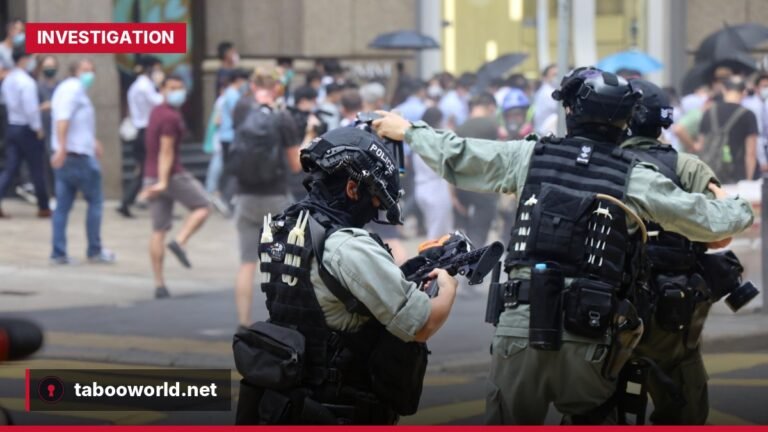
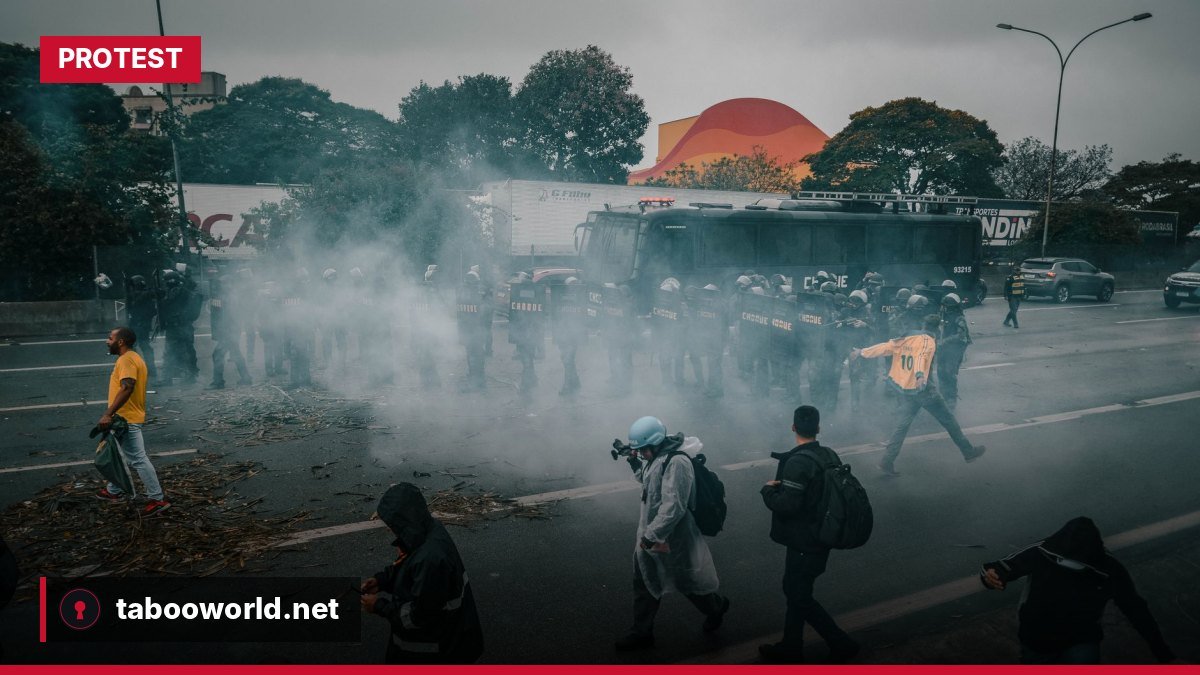
Police say a “radical fringe” broke from the main march near Paris’s Porte d’Italie and began hurling objects, fireworks and makeshift projectiles at officers. The escalation prompted tear‑gas grenades, sound‑grenades and water‑cannon jets to disperse the crowd.
Interior Minister Laurent Nuñez told reporters that “several thousand radical activists gathered at the rear of the march, including around 500 individuals identified as rioters” (AFP). He added that the number of arrests would continue to rise as authorities processed detainees.
How did police respond across France?
Police deployed a layered response:
- Water cannons in Paris, Nice and Nantes.
- Armored vehicles breaking through barricades in Marseille.
- Elite anti‑terror units in Paris’s eastern districts.
- Rapid‑court hearings that sentenced hundreds to short‑term detention for vandalism, arson and looting.
In Marseille, protesters set fire to rubbish bins and used metal sheets to block streets; in Bordeaux they ripped boards from shop fronts to build barricades.
Why are the numbers disputed?
The French Interior Ministry reported 410,000 participants nationwide, while the CGT trade union claimed close to 800,000. Paris‑specific counts also diverge: the ministry recorded about 110,000 attendees, whereas the CGT estimated 250,000. Discrepancies are typical in French protest reporting, where police and unions often present contrasting figures.
What does this mean for France’s political climate?
The unrest comes in the final six months before the May 2027 presidential election. President Emmanuel Macron has limited demonstrations to those organized by recognized unions, a move critics label “zero‑tolerance” policing. The heavy‑handed response has sparked fresh criticism from human‑rights groups and fueled a narrative of a government out of touch with struggling citizens.
How does this compare to last weekend’s riots?
| Metric | Oct 17‑18 2026 | Oct 24 2026 |
|---|---|---|
| Arrests | ≈ 2,700 | ≈ 1,000 (still counting) |
| Police deployed | ≈ 55,000 | ≈ 70,000 |
| Businesses damaged | ≈ 2,000 | ≈ 300 (pre‑emptive police action) |
| Injured police | ≈ 1,000 | 2 (serious) |
While the October 24 clashes were less destructive, the sheer number of arrests signals a strategic shift toward pre‑emptive containment.
What are the legal repercussions for those detained?
Detained individuals face fast‑track court hearings that can result in up to 30 days of administrative detention for minor offenses such as vandalism. More serious charges, arson, assault on police or possession of incendiary devices, carry longer sentences. The government has warned that the “zero‑tolerance” policy will remain in force until the protest wave subsides.
How are other European cities reacting?
Police in Brussels, Tirana and Milan reported similar precautionary deployments, including tear‑gas and crowd‑control measures, to prevent spill‑over. The coordinated response suggests a broader European concern about cross‑border protest inspiration.
What does this say about the state of French civil liberties?
Human‑rights watchdogs argue that the scale of police presence, 70,000 officers plus military assets, exceeds the proportionality required for public order. The use of water cannons in densely populated neighborhoods raises questions about compliance with European standards on the use of force.
FAQ
How many people were arrested in Paris alone?
Interior Minister Laurent Nuñez confirmed that nearly 1,000 arrests were made nationwide, with Paris accounting for a significant share of those detentions.
What sparked the violence in Paris?
Masked protesters broke from the main march near Porte d’Italie, throwing fireworks and projectiles, prompting police to deploy tear gas and water cannons.
Are the protest numbers reliable?
Official figures put the turnout at 410,000, while the CGT union claims up to 800,000. Both sides have a history of divergent reporting.
What injuries were reported?
Two serious injuries were reported: one in Toulouse and another in Clermont‑Ferrand, according to the interior ministry.
Will the arrests affect the upcoming presidential election?
Political analysts say the crackdown could sway undecided voters toward candidates promising tougher law‑and‑order policies, but it may also energize opposition groups demanding civil‑rights reforms.
For more on France’s protest market, see our deep‑dive on France Protests 2026 and the related piece on Teen Protest Rights in FranceThe broader European context is covered in World War Map 2026
Sources: BBC News – Yahoo News – ABC News – The MunicEyeUpdated: October 25, 2026.