

Entertainment is changing fast. Viewers now decide what becomes a hit, short-form storytelling is growing, and streaming platforms are rethinking how they release shows and films. Here is a simple look at the trends shaping what people watch and talk about. Streaming Has Changed How We Watch Not long ago, people waited for a weekly […]
Entertainment is changing fast. Viewers now decide what becomes a hit, short-form storytelling is growing, and streaming platforms are rethinking how they release shows and films. Here is a simple look at the trends shaping what people watch and talk about.
Streaming Has Changed How We Watch
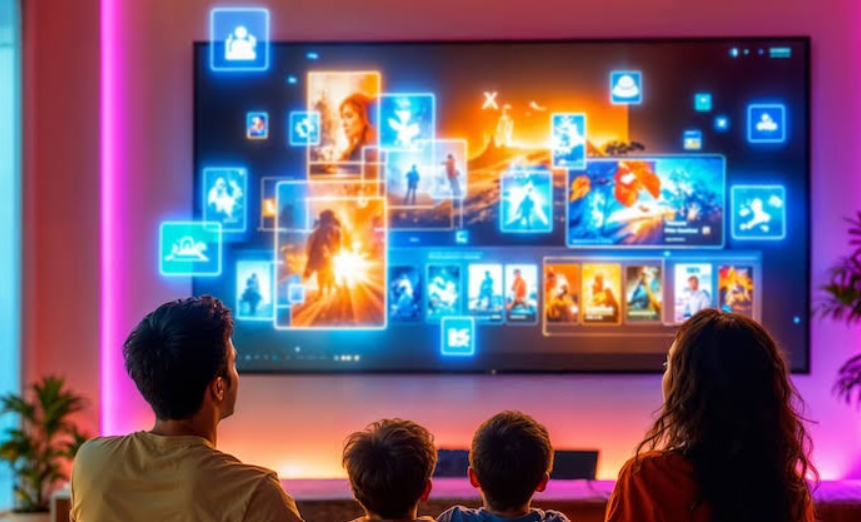
Not long ago, people waited for a weekly TV slot or a cinema release. Today, most viewers pick what they want, when they want it, on their phone, laptop or smart TV.
This shift has made audiences more demanding. If a show does not grab attention in the first few minutes, many people simply move on. Creators now focus on strong openings, fast pacing and stories that hook viewers quickly.
Short-Form Stories Are Gaining Ground
Short series and bite-sized videos are no longer just a side trend. Many people watch quick episodes during commutes, breaks or before bed.
Studios and independent creators are noticing this. Some are producing shorter episodes with tighter plots, while others test new ideas in short formats before turning them into full-length projects. For new talent, this is a faster and cheaper way to get noticed.
Social Media Decides What Goes Viral
A single clip, song or dialogue can now spread across the world in hours. Fans share reactions, create memes and start trends that often push a title far beyond its original audience.
This means a lesser-known film or series can suddenly become a hit through word of mouth. It also means entertainment companies now watch online conversations as closely as box office numbers.
Music and Film Are Moving Closer Together
Songs from films and series regularly chart on their own, and artists increasingly appear in acting roles or lend their music to major releases. This crossover helps projects reach different audiences and keeps them in the spotlight for longer.
Local Stories Are Finding Global Audiences
Subtitles and dubbing have made it easier for viewers to enjoy content from other countries. Regional dramas, films and music are now reaching people far beyond their home markets, giving local storytellers a bigger stage than ever.
What This Means for Audiences
For viewers, the biggest benefit is choice. There is something for almost every taste, mood and budget. The challenge is deciding what to watch, since the options can feel endless.
As technology and audience habits keep evolving, one thing stays the same: good storytelling still wins. Whether it runs for two hours or two minutes, a story that connects with people will always find its audience.



3 Comments