Iran Saudi Arabia Conflict 2026: How the War Escalated and What It Means
Listen to this article 1× The Iran Saudi Arabia conflict 2026 began on 28 February 2026 when U.S. and Israeli strikes on Iranian sites…

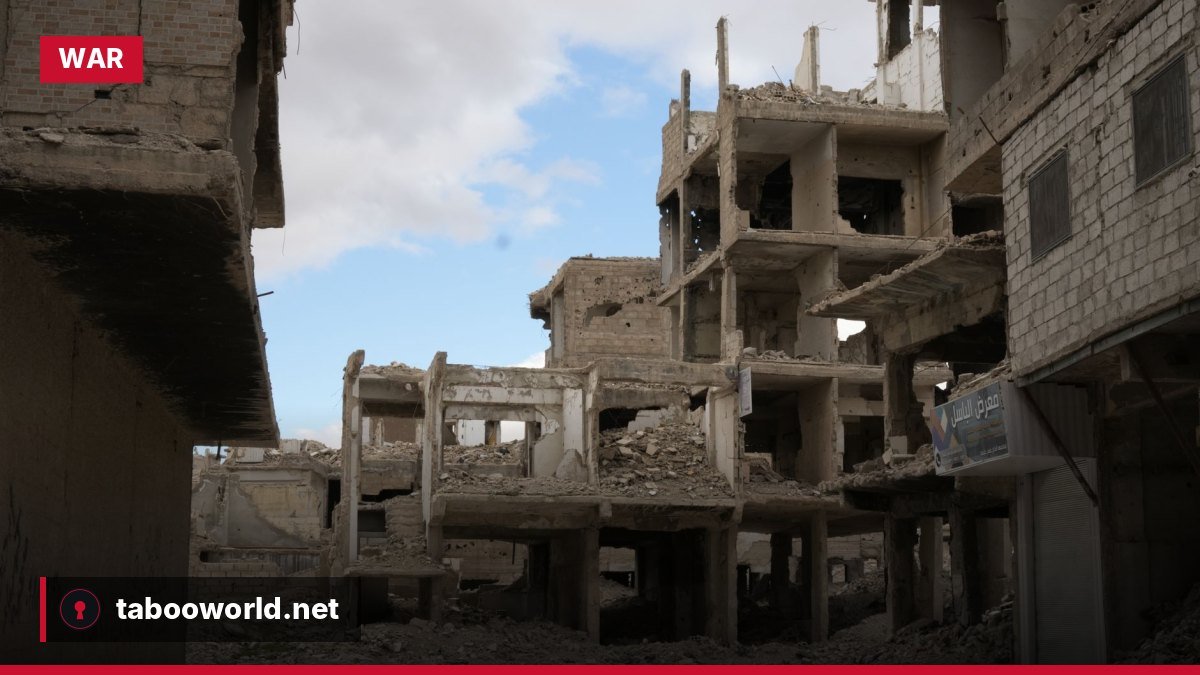
The Houthis vs Yemen conflict is a multi‑year war between the Iran‑aligned Houthi movement and the internationally recognised Yemeni government backed by a Saudi‑led coalition.
The roots lie in the 2014 Houthi takeover of Yemen’s capital, Sana’a, and the subsequent collapse of the transitional government. In response, Saudi Arabia formed a coalition and began a bombing campaign on 26 March 2015, aiming to restore President Abdrabbuh Mansur Hadi’s authority.Wikipedia
The conflict pits two primary sides:
Control has swung repeatedly. As of 2026, the coalition holds most of former South Yemen, Marib Governorate, and parts of northern provinces such as Saada and Al‑Jawf. The Houthis retain the capital Sana’a, the port of Hodeidah, and large swaths of the north‑west.Wikipedia
| Year | Territorial Change | Key Event |
|---|---|---|
| 2015 | Coalition captures Aden, pushes Houthis north | Saudi‑led air campaign begins |
| 2017 | Houthis seize Al‑Hudaydah port | Blockade of humanitarian aid |
| 2020 | Coalition regains Marib outskirts | Intensified drone strikes |
| 2022 | Cease‑fire declared | UN‑brokered Hudaydah Agreement |
| 2025‑2026 | Houthis launch missile attacks on Saudi cities and Red Sea shipping lanes | Escalation during the Iran‑Saudi proxy war |
Strategic chokepoints such as the Bab al‑Mandab Strait sit at the heart of global oil routes. Houthi missile and drone strikes on vessels have raised insurance premiums and prompted naval escorts from the United States and Europe.CFR The war also fuels regional rivalries, with Iran and Saudi Arabia using Yemen as a proxy battleground.
Blockades, air strikes on markets and health facilities, and the destruction of infrastructure have created a classic “complex emergency.”
Iran supplies rockets, missiles and drone technology, while the United States conducts “defensive” strikes against Iranian positions in the Strait of Hormuz when Houthi attacks threaten shipping.Al Jazeera Saudi Arabia funds the coalition’s air campaign, spending billions on U.S.‑made F‑15s and Patriot missiles.
The United Nations has repeatedly mediated, producing the 2018 Stockholm Agreement on Hodeidah’s port and the 2022 cease‑fire. However, violations persist, and no complete peace deal has been signed.
Fighting continues along the front lines in Al‑Jawf, Saada and Marib. The coalition reports intercepting multiple Houthi‑launched ballistic missiles targeting Saudi territory, while the Houthis claim successful strikes on Saudi oil facilities.CFR Humanitarian aid deliveries remain sporadic, and the cease‑fire is fragile at best.
The Houthis, a Zaidi Shia group, seized Sana’a after accusing the government of corruption and marginalisation of their community.
Estimates range from 5 000 to 7 000 civilian deaths since 2015, according to UN reports and independent NGOs.
The Red Sea is a important shipping lane; Houthi attacks on commercial vessels threaten global oil prices and maritime security.
UN‑facilitated talks continue intermittently, but no substantive breakthrough has been reported as of October 2026.
Iran provides the Houthis with weapons, training and political backing, using Yemen as a proxy to pressure Saudi Arabia.
For deeper insight into related topics, see our coverage of Houthi missile attacks on Adenthe Saudi‑led forces’ missile interceptionsand the broader mass displacement of Yemenis by seaThe conflict’s ripple effects also touch the global bans databaseillustrating how war fuels international policy shifts.
Sources: Wikipedia – Houthi–Saudi conflict – Al Jazeera – Houthis – CFR – Conflict in YemenUpdated: November 3, 2026.
Listen to this article 1× The Iran Saudi Arabia conflict 2026 began on 28 February 2026 when U.S. and Israeli strikes on Iranian sites…
Listen to this article 1× How many Houthis have been killed is a question that remains clouded by contradictory reports and limited verification. Key…
Listen to this article 1× On November 8 2026, shrapnel from intercepted Houthi missiles struck a Saudi Aramco administrative tower in Riyadh’s King Abdullah…