






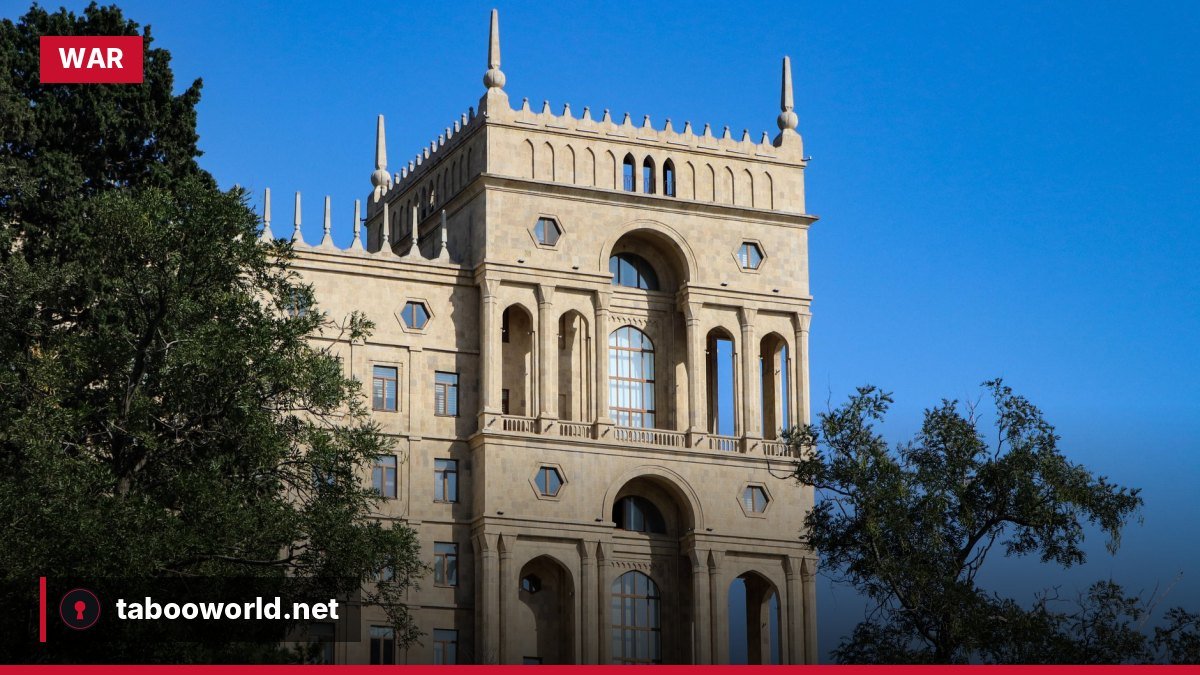
On October 15, 2026, Iran‑aligned Houthi rebels launched missiles and drones at the Al‑Maashiq Palace in Aden, killing five and wounding 16. What happened at the Al‑Maashiq Palace? The strike hit the presidential complex that houses Yemen’s internationally recognized government. Yemen’s Health Minister Qasim Mohammed Buhaibeh confirmed two security officers and three civilian staff died, […]
On October 15, 2026, Iran‑aligned Houthi rebels launched missiles and drones at the Al‑Maashiq Palace in Aden, killing five and wounding 16.
What happened at the Al‑Maashiq Palace?
The strike hit the presidential complex that houses Yemen’s internationally recognized government. Yemen’s Health Minister Qasim Mohammed Buhaibeh confirmed two security officers and three civilian staff died, while 16 others were treated for injuries.
According to the Ministry of Information, Prime Minister Shaya Al‑Zindani and his cabinet escaped harm. The government labeled the assault “an attempt to hold Yemen’s future hostage.”
Why did the Houthis target Aden?
The Houthis said the palace housed a Saudi military operations centre, making it a legitimate target. Their statement declared the attack part of a broader strategy to hit “Saudi military build‑ups wherever they may be.”
Experts note the timing aligns with Saudi‑led coalition airstrikes that, between September 3 and October 15, killed 120 Yemenis, 60 % of whom were women and children (Health Ministry data).
How effective are Saudi defenses against Houthi missiles?
Saudi officials reported intercepting multiple aerial threats across the kingdom on the same day, yet the Aden strike slipped through. The coalition’s spokesman Maj. Gen. Turki al‑Maliki warned that the Houthis now possess “advanced technologies” including ballistic missiles and offensive drones.
Despite billions spent on Saudi air defence, the Aden hit illustrates a growing capability gap.
What does the attack mean for regional security?
The strike escalates the “Yemen’s Dawn” campaign launched earlier this month. It also raises concerns for commercial shipping in the Red Sea, where Houthi missiles have recently threatened oil infrastructure and airports.
U.S. President Donald Trump accused the Houthis of inflating oil prices ahead of the U.S. elections, hinting at Iranian influence.
Casualties and damage at a glance
| Category | Number |
|---|---|
| Deaths, security personnel | 2 |
| Deaths, civilian staff | 3 |
| Injured (total) | 16 |
| Government officials harmed | 0 |
| Buildings damaged | Palace compound (extent unconfirmed) |
Key Facts
- Attack date: October 15, 2026
- Location: Al‑Maashiq Palace, Aden, Yemen
- Fatalities: 5 (2 security, 3 civilians)
- Injured: 16
- Houthis claim target: Saudi military operations centre
Related coverage
For a look at how Saudi forces have responded to Houthi missiles, see our report on Saudi‑led forces shooting down a Houthi missileThe broader humanitarian fallout is detailed in Thousands flee Yemen by sea displacement
FAQ
Did the prime minister survive the attack?
Yes, Prime Minister Shaya Al‑Zindani and other cabinet members were unharmed.
What type of weapons did the Houthis use?
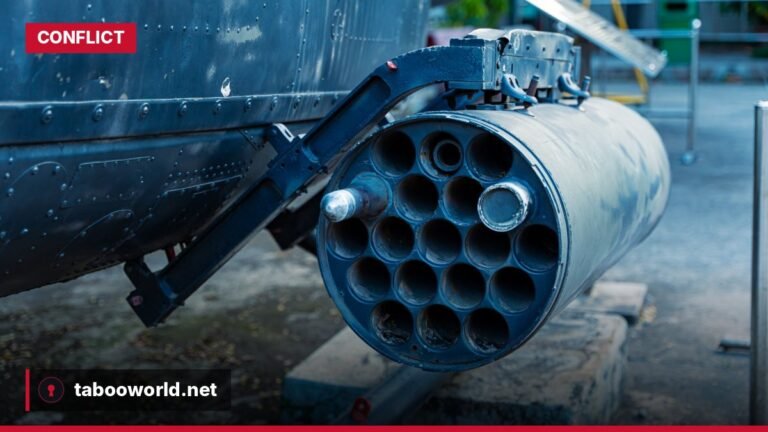
The strike involved both missiles and drones, though the exact models were not disclosed.
How many Houthi attacks have occurred in Aden this year?
This is the most lethal Houthi strike on Aden’s government facilities to date; earlier attacks have been limited to smaller drone incursions.
Are Saudi‑backed forces able to prevent future palace attacks?
Saudi officials claim recent interceptions of aerial threats, but the Aden hit shows gaps remain in their defence network.
What impact could the attack have on oil prices?
U.S. President Donald Trump suggested the strikes aim to drive up oil prices ahead of elections, though market analysts note multiple factors influence price movements.
Sources: CNNUpdated: October 24, 2026.



One thought on “Houthi Missile Attacks Aden: Deadly Strike on Yemen’s Presidential Palace”