





At least 3,000 Yemenis have crossed the Gulf of Aden to Djibouti in the past week, and UN agencies expect the figure to rise to 10,000 as intensified fighting forces thousands to flee Yemen by sea displacement. How many people are fleeing Yemen by sea displacement right now? UNHCR representative Sandrine Desamours told reporters in […]
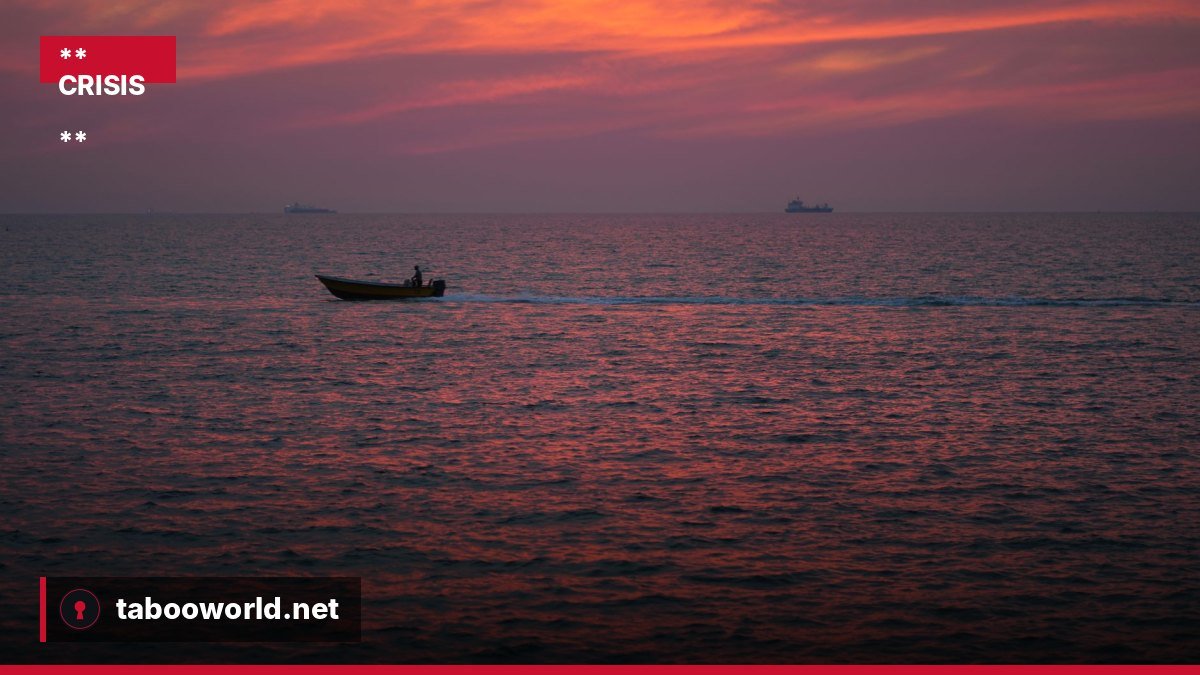
At least 3,000 Yemenis have crossed the Gulf of Aden to Djibouti in the past week, and UN agencies expect the figure to rise to 10,000 as intensified fighting forces thousands to flee Yemen by sea displacement.
How many people are fleeing Yemen by sea displacement right now?
UNHCR representative Sandrine Desamours told reporters in Geneva on September 18, 2026 that “nearly 3,000 people have crossed the Gulf of Aden to Djibouti in less than a week.” Djibouti, she warned, is bracing for “up to 10,000 refugees.”
The United Nations refugee agency (UNHCR) and the International Organization for Migration (IOM) confirm that people are making the crossing on overcrowded boats with “very limited food and water.”
What is driving the surge in sea displacement?
Fighting between Iran-backed Houthi rebels and Saudi-backed Yemeni forces has intensified along the western coast, and civilians are abandoning their homes to escape it. The Houthi offensive seized key Red Sea ports, including Mokha, and pushed toward the Bab el-Mandeb Strait, a important global shipping lane.
More than 82,000 people have been displaced along Yemen’s Red Sea coastline since early September 2026, according to the International Organization for Migration. Over 2,000 of them have already reached Djibouti by sea.
How many are displaced inside Yemen?
UNHCR estimates internal displacement could rise from 130,000 to over 230,000 within weeks. That would add to the 5.2 million people already displaced inside the country.
The past two weeks alone have driven at least 112,000 Yemenis from their homes, according to Reuters and the UN migration agency.
What are the humanitarian needs?
Money is running out. The UNHCR’s Yemen operation is only 18 % funded for 2026, while its Djibouti operations sit at 15 %.
| Operation | Funding Level | Urgent Need |
|---|---|---|
| Yemen | 18 % | $25 million for 231,000 people |
| Djibouti | 15 % | $13.5 million for registration and basic services |
Without additional aid, displaced families face starvation, disease, and children cut off from school.
Which countries are most affected?
Djibouti, a small Horn of Africa state, is preparing its health and education systems for a potential influx of up to 10,000 refugees. Somaliland and Puntland have also reported “hundreds” of arrivals, mostly Yemeni families.
What is the broader geopolitical impact?
The Houthi advance along the Red Sea coast strengthens Tehran’s hand in its confrontation with the United States. Control of the Bab el-Mandeb Strait threatens global oil and commodity flows.
Saudi and Yemeni air forces have answered with intensified airstrikes, further endangering civilians caught in the crossfire.
FAQ
How many Yemenis have fled by sea to Djibouti?
Nearly 3,000 have arrived in less than a week, with UN agencies preparing for up to 10,000 arrivals.
What is the main cause of the sea displacement?
Renewed fighting between Houthi rebels and Saudi-backed forces along Yemen’s western coast.
How many people are displaced inside Yemen?
Internal displacement could exceed 230,000, on top of the existing 5.2 million displaced.
What funding shortfalls are hindering the response?
UNHCR’s Yemen operation is 18 % funded; Djibouti operations are 15 % funded, leaving critical gaps.
Which international route is at risk because of the conflict?
The Bab el-Mandeb Strait, a key maritime corridor for global oil and commodities.
For more on the regional fallout, see our coverage of Saudi-led forces shooting down Houthi missiles and the broader Banned page for related sanctions.
Sources: Al Jazeera – Yen i Şafak – The Bridge Chronicle – Yahoo NewsUpdated: October 23, 2026.